
Turn off food noise, naturally

We're all in it: a seismic shift in how the world approaches weight loss and metabolic health. Read anything about either topic these days and there's barely a mention of food — it's all about GLP medications (Wegovy/Mounjaro etc.)!
An estimated 11% of American adults - approximately 28 million people - are currently on a GLP-1 for weight loss - we're literally in the midst of a cultural rewiring of how we think about hunger, weight, and willpower.
Which is exactly why I can't stay quiet about what I see week after week with my own clients: people lowering their cardiovascular risk markers and losing weight steadily — without a single injection, and experiencing (actually genuinely enjoying) only positive side effects!
What gets me every time is how they describe it:
Almost universally, they tell me some version of the same thing: they expected heart-healthy eating and weight loss to feel like punishment, and instead they say things like "I'm not hungry all the time anymore," "I can actually focus at work because I'm not thinking about food constantly," "I don't even feel like I'm on a diet," or "I went out with friends Saturday night and didn't think twice about it."
This isn't willpower. It's physiology — when you eat in a way that actually satisfies hunger, the constant battle disappears.
To be clear: I'm not anti-medication
GLP-1s have a real place. For the right person, at the right time, they've been genuinely life-changing. My concern isn't the medication itself — it's that a lot of people are starting these drugs without a full picture of what they're signing up for.
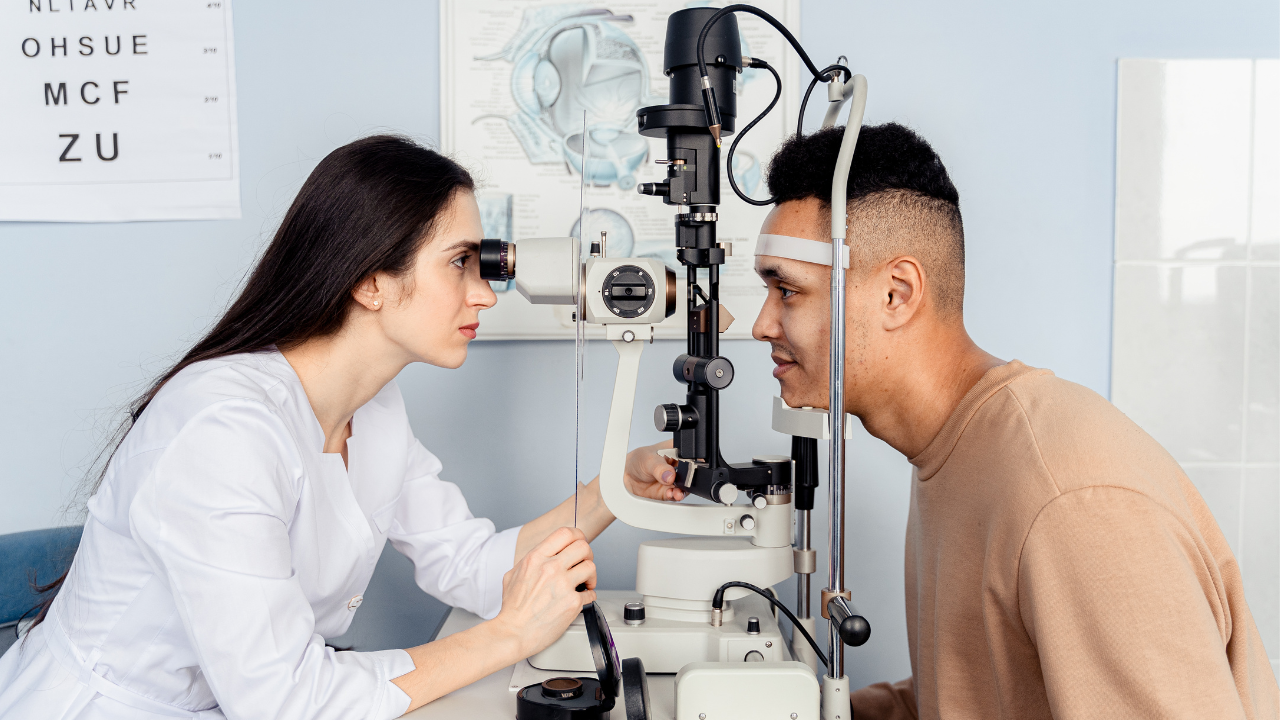
Several clients asked me recently about the post in the Wall Street Journal about patients suing GLP-1 drugmakers over the risk of sudden vision loss — a risk factor that's already on warning labels outside the U.S.
So while I'm not anti-medication, I am a HUGE advocate for informed decision-making. Most people know about the risk of some GI discomfort — which is easy to dismiss as "I'll just push through it" — and muscle loss, which people tend to wave off with "I'll just hit the gym harder." But there are several other risks people should know about before they start:
- Bone density loss — rapid weight loss can come from lean muscle and bone mineral density.
- Pancreatitis — GLP-1s carry a known risk of inflaming the pancreas, which can range from uncomfortable to a medical emergency.
- GI complaints, especially constipation — GLPs can slow motility sufficiently to set the stage for SIBO (small intestinal bacterial overgrowth).
- Thyroid cancer — GLP-1 medications carry an FDA black box warning related to medullary thyroid carcinoma risk.
- Hair loss — Rapid, significant weight loss of almost any kind can trigger telogen effluvium.
- Thiamine (B1) deficiency — Persistent nausea, vomiting, or eating too little can lead to a B1 deficiency and, in rare cases, Wernicke's encephalopathy — a neurological emergency.
None of this means "don't take the medication." It means making sure you're fully informed, and ideally working with a practitioner who's watching your labs and your nutrition status, not just your weight.
Whether you're considering a GLP-1 or fall into the camp of assuming eating well is difficult, start here.
Be honest with yourself about which of my 6 easy steps you've already got dialed in, and which ones might be quietly working against you. And, if you've got one (or a few) you still need to work on, I'd be happy to help.
My 6 easy steps to turn off food noise, naturally...
Here they are in order of ease — easiest first.

1. Make sure you're sufficiently hydrated
This is one of the biggest mistakes I see, hands down. Dehydration acts like a trip wire — it sets you up to feel hungrier throughout the day (because it masquerades as hunger), and it sets you up to feel fatigued, which then drives you toward quick-energy carbs.
Addressing dehydration alone resolves more "mystery hunger" than almost anything else I coach on. I made a video all about this if you want to go deeper: watch here.
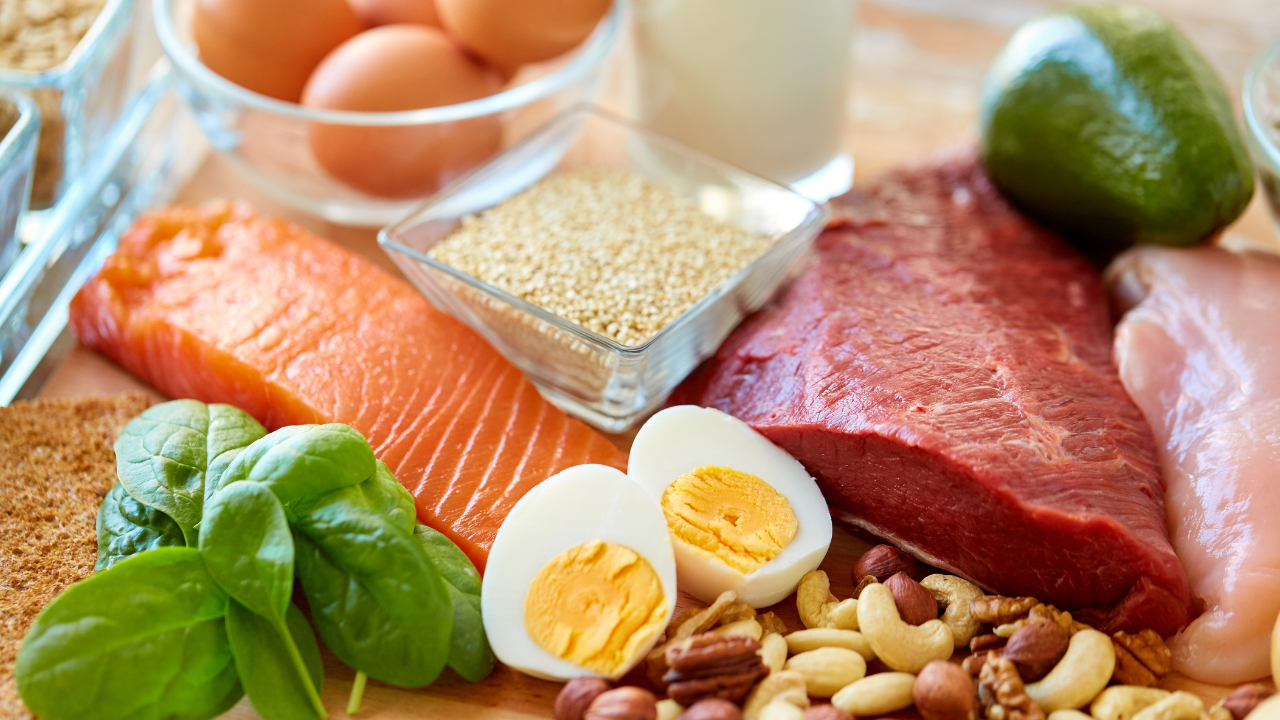
2. Prioritize protein
Protein is satiating — more effective at suppressing appetite than carbohydrates or fat. Part of this comes down to hormones: protein intake boosts satiety hormones like peptide YY and GLP-1 (yes, the same pathway the medications target — your body already makes this signal) while suppressing ghrelin, your hunger hormone.
Protein also has the highest thermic effect of food, meaning your body burns more calories digesting it, and it helps preserve lean muscle mass during weight loss — the opposite of what happens with rapid GLP-1-driven loss. Research generally points to somewhere in the 25–30g range per meal as the sweet spot for appetite control, which for most people means rethinking breakfast first, since that's usually the most protein-starved meal of the day.
3. Avoid processed foods and refined carbs/sugars
We've all lived this: a big bowl of pasta, a basket of bread, and an hour later you're rummaging through the pantry, somehow starving. This isn't a willpower failure — refined carbs spike blood sugar fast, insulin follows, blood sugar crashes, and your brain reads that crash as "feed me now."
We even seen commercials highlighting this - remember Pringles' tag line — "once you pop, you can't stop" - it was built on the fact that hyper-palatable, nutrient-poor foods are engineered to override your fullness signals.
Compare that to real, nutrient-dense food.
Buy an avocado from Trader Joe's, let it ripen, eat it — and I can almost guarantee you won't be able to eat the others that have ripened to perfection at the same time...because nobody binges on avocados. That's not an accident; it's nutrient density and satiety working exactly as designed.
4. Focus on fiber
This is another classic gap. Most of my clients, when we first sit down together, are eating somewhere ~ 8–10g of fiber a day — on a good day! The actual target most of us should be aiming for is 35–45g. I get clients to build fiber into every single meal and snack.
Here's why it matters so much for fullness: dietary fiber slows gastric emptying and prolongs the feeling of fullness through several mechanisms. Soluble fiber gets fermented by your gut bacteria into short-chain fatty acids, which trigger the release of your own natural GLP-1 — as well as peptide YY. Peptide YY is released from cells in your gut lining after eating and acts directly on your hypothalamus to reduce appetite and slow gut motility, which is part of why a fiber-rich meal keeps you satisfied for hours. It's a big part of why a high-fiber diet can mimic some of the appetite-suppressing effects people chase with medication — using machinery your body already has.
5. Manage stress
Chronic stress keeps cortisol elevated, and elevated cortisol does two unhelpful things at once: it drives cravings for high-fat, high-sugar "comfort" foods, and it disrupts the normal signaling between leptin (fullness) and ghrelin (hunger), blunting your ability to read your own satiety cues accurately.
On top of that, stress eating tends to be fast, distracted eating — in front of a screen, standing at the counter — which itself reduces satiety, because your brain needs time and attention to register that you've eaten enough. You don't need to eliminate stress (which is good news as most would argue that'd be impossible), but building in even small, consistent decompression practices — a walk after dinner, five minutes of breathing before a meal, actually sitting down to eat — measurably improves how full you feel from the same plate of food.

6. Prioritize sleep
This is the one that surprises people most, even though nearly everyone has lived it.
Think back to the last time you had a genuinely bad night of sleep — for any reason — and remember how hard it was to resist carbs the next day. If the bad night followed a night out, the cravings usually get blamed on the alcohol, and alcohol certainly doesn't help. But there's real biology underneath this, independent of what caused the sleep loss: insufficient sleep blunts your sensitivity to leptin, the hormone that signals fullness, while simultaneously amplifying ghrelin, your hunger hormone. You end up biologically primed to feel hungrier and less satisfied, no matter what you ate.
None of this requires a prescription, a specialist, or a complicated protocol. It requires attention — to water, protein, fiber, stress, and sleep — and most of my clients are stunned by how quickly their hunger settles down once those five things are in place.
My mission with every client is to help them maximize their vitality and minimize their need for medication.
Food, sleep, stress, and hydration may seem like the "boring" alternative to modern medicine. But, when leveraged appropriately, they're truly some of the most powerful, and effective, tools we have.
TL;DR:
- GLP-1 use has exploded, but so has awareness of real risks like NAION vision loss, pancreatitis, bone density loss, and thiamine deficiency.
- My clients are losing weight and improving heart health without medication, and it comes down to five easy, in-order-of-effort habits: hydrate, prioritize protein, cut processed carbs, get more fiber, manage stress, and sleep well.
