
Resistant starch: Worth trying?
What is resistant starch, what does it do for your blood sugar (and your gut), and how to get started...
Twice in the past few weeks, clients have asked me: "What do you think about resistant starch? Is it worth trying?"
My answer is yes, with a few caveats...
First, quick reminder about starch in general...
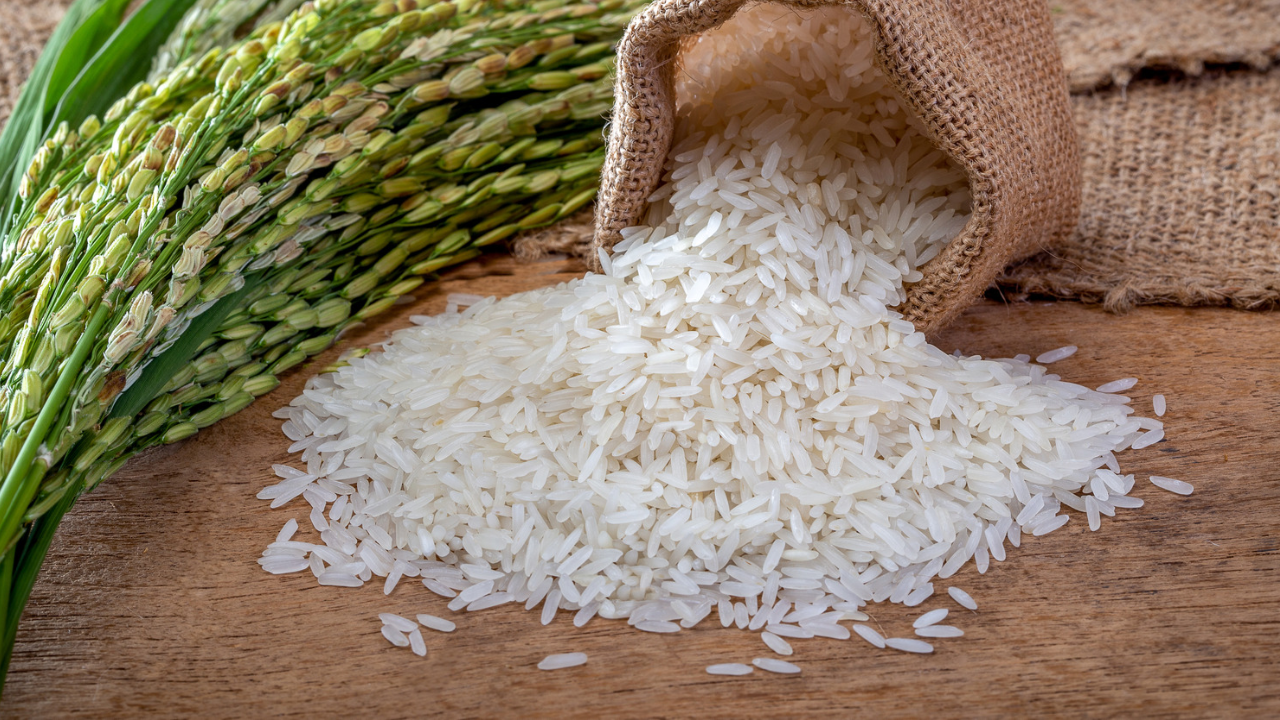
Starch is the main carbohydrate in foods like bread, pasta, rice, potatoes, corn, oats: starches are long chains of glucose linked together.
Typically, your body breaks those chains apart in your small intestine and absorbs the sugars (aka glucose) pretty quickly. And, that's precisely why we're cautioned to minimize them when when we want to regulate blood sugar...because they have a very real capacity to spike blood sugar.
Ask anyone who has ever worn a CGM (continuous glucose monitor) - they'll tell you the CGM has made them very careful about consuming starchy carbs. They might even start to talk about food sequencing, and other strategies they deploy to help minimize blood sugar spikes when/if they eat bread/pasta etc.
What is 'resistant starch'?
Resistant starch "resists" that process. It passes through your small intestine largely intact and arrives in your large intestine, where it behaves like a fermentable fiber.
It shows up in three everyday forms:
- Locked inside plant cell walls, as in legumes and whole grains.
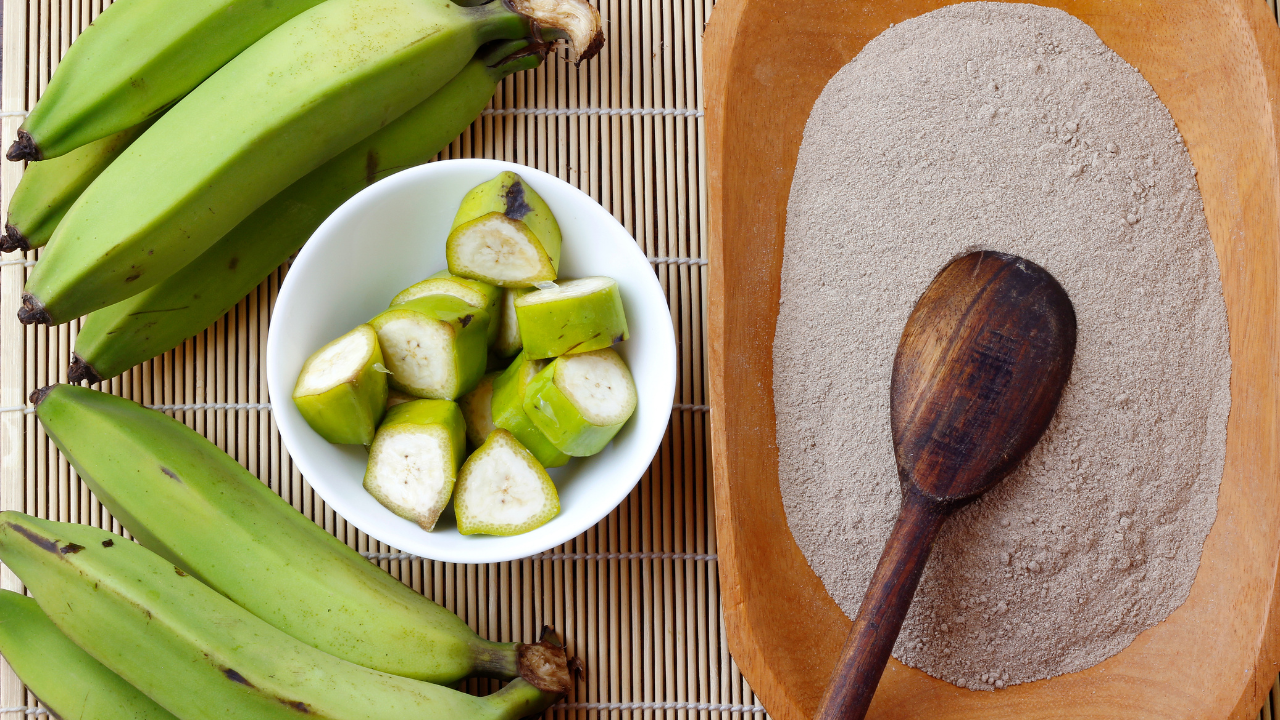
- Naturally resistant before ripening or cooking, as in green bananas, plantains, and raw potato starch.
- Created in your kitchen when you cook starchy foods like rice or potatoes and then cool them. The starch molecules realign into a tighter structure your enzymes struggle to break down, a process called retrogradation.[1]
That third form is the one I find most interesting, because the same food can behave quite differently depending on how you prepare it.
How it impacts your blood sugar...
In the moment, meaning that less of the starch on your plate is converted to glucose, so it lands more gently, and with less impact, in your bloodstream.
Over time, it appears to improve insulin sensitivity. In healthy adults, four weeks of resistant starch raised insulin sensitivity compared with placebo.[2] Similar improvements have been seen in overweight men[3] and in people with metabolic syndrome.[4]
I experienced the "in the moment" piece for myself during my first CGM trial.
I'd made chicken cacciatore in my slow cooker (a recipe which consists of mostly of chicken thighs, onions, garlic, sun-dried tomatoes), and right before serving it, I'd stirred in lots of fresh Swiss chard. I served it with broccolini as well as half a cup of brown Basmati rice.
A genuinely healthy meal (I thought!).
But, my blood sugar spiked ~45 points above my norm.
I wasn't stressed eating the meal. I'd slept well the night before, and I'd been doing well on the exercise front too...therefore, I figured the most likely culprit was the rice.
So, I conducted my own home test. Not a perfect experiment by any means, but a telling one all the same. The following day, I ate the same meal again, but this time with previously cooked rice.
My blood sugar rose, as I'd expect after eating. But it did not spike, i.e., it rose less than 30 points.
Many of my clients trying a CGM have found the same thing. Rice, even brown rice, can push blood sugar 35 to 40 (or more) points above baseline.
Here's the good news. When researchers refrigerated cooked rice for 24 hours and then reheated it, its resistant starch content more than doubled, and it produced a significantly lower glucose response than freshly cooked rice.[1]
You may not need to give up rice. You might just need to make it a day ahead.
I fully appreciate that may sound a little tedious, but read on because the benefits don't just end there...

What resistant starch can also do for your gut health
Once resistant starch reaches your large intestine (LI), your gut bacteria ferment it into short-chain fatty acids: butyrate, propionate, and acetate.
Butyrate is the standout. It's the preferred fuel for the cells lining your LI (aka colon), helping keep that lining strong.
Resistant starch also helps you feel satisfied for longer after a meal.
In one study, resistant starch from potatoes produced the biggest boost in short-chain fatty acids, including butyrate, of the three fibers tested. But how much each person produced depended on which microbes were already living in their gut.[5]
That finding always brings me back to shopping for bird seed with my parents.
Obvious as it sounds in hindsight, I never appreciated that different seed attracts different birds! Change what's in the feeder, and you change who shows up.
Your gut works the same way.
What you eat determines which microbes move in and which ones flourish. Add resistant starch, and you've changed the menu. That's wonderful for your gut, but it also means how you introduce it really matters.

Start low, go slow
This is the main caveat I always give my clients when it comes to any sort of fiber...
A new menu means your microbial community has to rearrange itself. Go too fast, and that shows up as gas, bloating, or cramping.
Begin with a few spoonfuls of cooled rice or potato, or half a green banana. Hold there for several days before adding more, and drink plenty of water.
If you have IBS, SIBO, or a sensitive gut, check in with your practitioner first.
"When you change the food in the feeder, you change who shows up. Give your gut time to adjust."
The quieter link to inflammation
Resistant starch isn't an anti-inflammatory supplement. It works more quietly than that, via two routes:
Through your gut. The short-chain fatty acids your microbes make from resistant starch, butyrate especially, do more than fuel your gut lining. They help strengthen the gut barrier and send calming, anti-inflammatory signals to the immune cells in your gut wall.[6] A strong barrier is one of your body's first lines of defense against inflammation.
Through your blood sugar. Repeated glucose spikes are a common driver of chronic inflammation. Flatter curves mean less fuel for that fire.
Most of the research on these effects focuses on the gut itself. So think of resistant starch as one supportive piece of a bigger anti-inflammatory picture, rather than a fix on its own.
Making resistant starch in your kitchen
The simplest rule: cook, cool, then eat or reheat. Refrigerate cooked starches for at least 12 hours, ideally overnight. Reheating is fine.
My favorite sources are as follows:
- Cooked and cooled potatoes, especially small ones you can halve for salads.
- Green bananas and plantains, before ripening turns their starch into sugar.
- Lentils and beans, cooked and chilled.
- Cooked and cooled rice. Basmati or parboiled rice are gentler choices than jasmine or sticky rice.
FYI - You can also buy unmodified raw potato starch. It's the most concentrated source, but honestly, it's my least favorite. I always recommend real, whole foods where and when possible.
My second caveat: Read labels. A growing number of packaged products, from low-sugar gummy candies to snack bars, now boast impressive fiber numbers and promise to support your gut health. Check the ingredient list, and you'll often find that fiber comes from isolated, highly processed sources such as soluble corn fiber, tapioca fiber, or modified potato starch. These aren't the same as the resistant starch in a bowl of chilled lentils, and they won't necessarily behave the same way in your body. A big fiber number on a candy wrapper doesn't make it a gut-health food.
Three easy ways to begin:
- Prep Sunday. Cook a big batch of lentils and small potatoes, then refrigerate.
- Smoothie hack. Add half a green banana to your morning protein smoothie.
- Salad swap. Use cold potatoes, lentils, or chickpeas as the starch in your salads.
The third caveat: watch for two traps. As bananas ripen, their resistant starch turns into sugar, so choose them while they're still green-tipped. And instant oats or "60-second" rice are so processed they offer almost none.
TL;DR
- What it is: starch that escapes digestion and acts like fiber. Cooking and cooling rice, potatoes, and legumes creates more of it.
- Blood sugar: gentler glucose responses now, better insulin sensitivity over time.
- Gut health: your bacteria turn it into butyrate, which fuels your gut lining.
- Inflammation: short-chain fatty acids help calm the gut's immune response, and steadier blood sugar removes another major driver.
- Go slowly: it changes the menu for your microbes, so build up gradually.
References
[1] Sonia, S., Witjaksono, F., & Ridwan, R. (2015). Effect of cooling of cooked white rice on resistant starch content and glycemic response. Asia Pacific Journal of Clinical Nutrition, 24(4), 620–625. doi:10.6133/apjcn.2015.24.4.13. PubMed
[2] Robertson, M.D., Bickerton, A.S., Dennis, A.L., Vidal, H., & Frayn, K.N. (2005). Insulin-sensitizing effects of dietary resistant starch and effects on skeletal muscle and adipose tissue metabolism. American Journal of Clinical Nutrition, 82(3), 559–567. doi:10.1093/ajcn.82.3.559. PubMed
[3] Maki, K.C., Pelkman, C.L., Finocchiaro, E.T., Kelley, K.M., Lawless, A.L., Schild, A.L., & Rains, T.M. (2012). Resistant starch from high-amylose maize increases insulin sensitivity in overweight and obese men. Journal of Nutrition, 142(4), 717–723. PMC
[4] Johnston, K.L., Thomas, E.L., Bell, J.D., Frost, G.S., & Robertson, M.D. (2010). Resistant starch improves insulin sensitivity in metabolic syndrome. Diabetic Medicine, 27(4), 391–397. doi:10.1111/j.1464-5491.2010.02923.x. PubMed
[5] Baxter, N.T., Schmidt, A.W., Venkataraman, A., Kim, K.S., Waldron, C., & Schmidt, T.M. (2019). Dynamics of human gut microbiota and short-chain fatty acids in response to dietary interventions with three fermentable fibers. mBio, 10(1), e02566-18. doi:10.1128/mBio.02566-18. PMC
[6] Parada Venegas, D., De la Fuente, M.K., Landskron, G., González, M.J., Quera, R., Dijkstra, G., Harmsen, H.J.M., Faber, K.N., & Hermoso, M.A. (2019). Short chain fatty acids (SCFAs)-mediated gut epithelial and immune regulation and its relevance for inflammatory bowel diseases. Frontiers in Immunology, 10, 277. doi:10.3389/fimmu.2019.00277. PMC
