
The case for cucumber
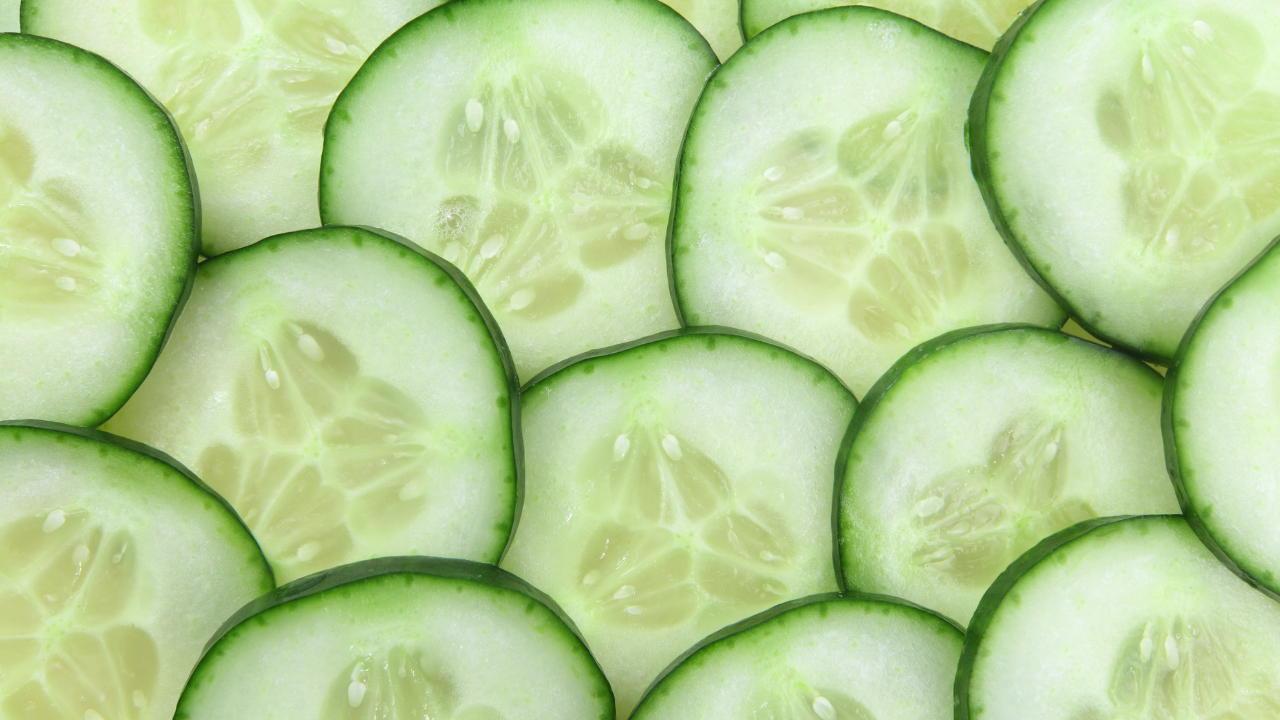
When people think of cucumbers, they typically either picture slices floating in a jug of 'spa water', or in a gin & tonic! At a stretch, they might even picture chilled slices resting over someone's eyes in a face mask advert (which is visual short-hand for pampering, not science).
But chilled cucumber slices genuinely function as a cold compress — the temperature triggers vasoconstriction, which drains built-up fluid and measurably de-puffs tired morning eyes, while the water content hydrates the fine lines around them. It's real. We just filed it under "spa gimmick" instead of "this vegetable is actually doing something."
And that's the pattern with cucumber generally. Ask anyone to name an anti-inflammatory food and you'll hear turmeric, salmon, olive oil, blueberries. Nobody mentions cucumber. It’s too plain, too ubiquitous, too much of a background player at the salad bar to feel like a health power move.
That reputation is about to change...let's take a closer look...
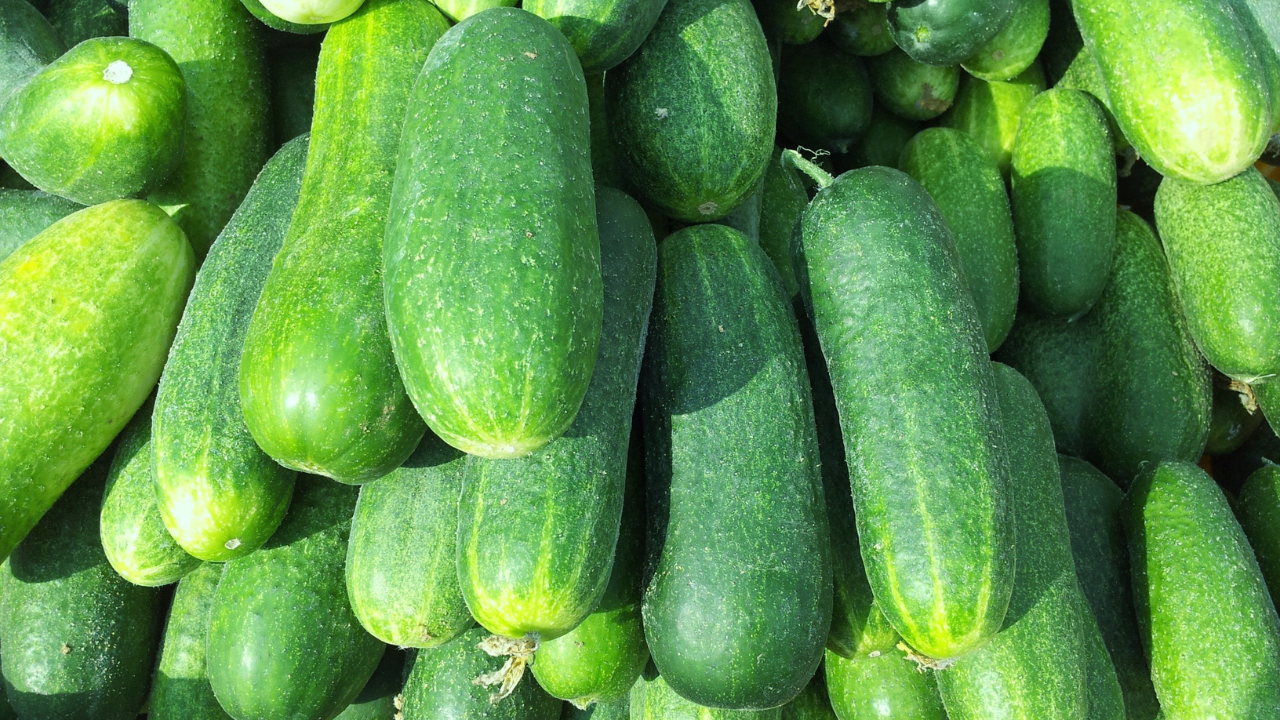
Beyond just water and crunch
Yes, cucumbers are mostly water. But they've more to offer...
For starters, the skin is where the real value lives. It carries a surprisingly high concentration of silicon—especially on the small "bumps" found on pickling cucumbers.[1]
Silicon is an essential trace mineral that acts as a structural "glue" for collagen synthesis, playing a key role in building strong bones, firming skin elasticity, and reinforcing brittle hair and nails.
Beyond silicon, you’re getting vitamin K, potassium, and magnesium. But the most interesting chemistry comes from cucurbitacins—a class of plant compounds running through the skin, flesh, and stem end that boast documented anti-inflammatory, antioxidant, and immune-modulating activity.[2]
And, the cucurbitacins are a good reminder that the dose makes the medicine.
In nature cucurbitacins aren't a health supplement; they’re intensely bitter toxins produced by the Cucurbitaceae family (cucumbers, zucchini, pumpkins) to prevent animals from eating them. Modern agriculture bred those bitter defense compounds down to safe levels. But occasionally, heat stress, drought, or wild cross-pollination causes a farm cucumber to spike its cucurbitacin levels.
If you ever bite into a cucumber that tastes intensely, aggressively bitter—spit it out. That's nature's warning label. Eating a high-cucurbitacin squash can trigger "toxic squash syndrome" (aka rapid-onset food poisoning).[7] Safe rule of thumb: mild bitterness near the stem is fine; extreme bitterness means discard the whole thing.
When it comes to my B.I.G.3 framework—Blood Sugar, Inflammation, and Gut Health™—the cucumber quietly checks every box:
-
Blood Sugar: Cucumbers sit near the absolute bottom of the glycemic index.[3] Their high soluble fiber and water content slow gastric emptying, meaning glucose enters your bloodstream at a drip rather than a flood.[4] Tossed into a heavy meal—like pasta, a sandwich, or a grain bowl—cucumber acts as a metabolic ballast, blunting the overall glycemic impact of the meal.
-
Inflammation: Beyond cucurbitacins, cucumber skin contains fisetin, a flavonoid heavily researched for its cellular antioxidant and anti-aging properties.[5] (Again: peel the skin, and you throw most of this away.)
-
Gut Health: Fiber and water drive physical motility, but the deeper gut benefit comes down to something most of us ignore: microbial variety.
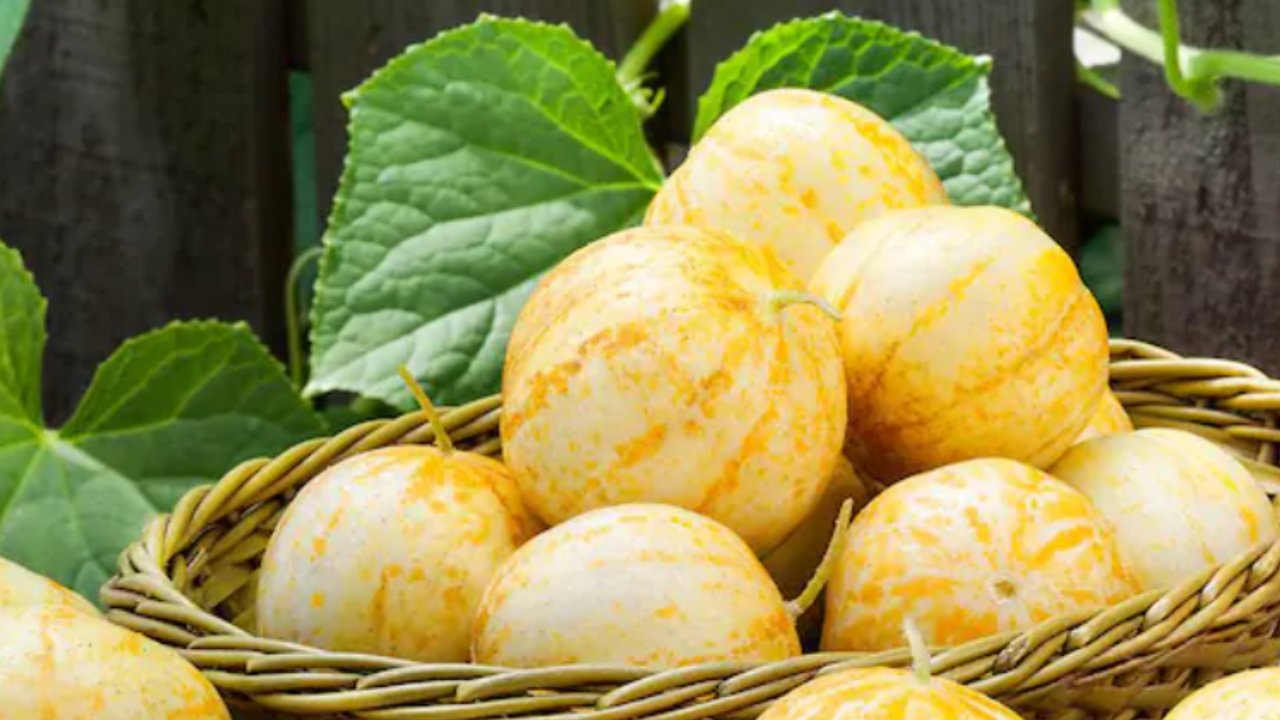
Which brings me to a recent find in Lisbon...
Whether you’re traveling this summer, or simply enjoying having a little more time to explore your local farmer's market. It’s the perfect time to "push the boat out" and try foods you’d normally walk right past. So when I spotted small, round, yellow "pineapple cucumbers" at a farm stand I jumped at the chance to try something new!
I'm not a fan of pineapple, but thought a pineapple cucumber sounded very intriguing. However, disappointingly, it tasted exactly like a regular cucumber.
It was a flavor let-down, but a great reminder of a vitally important behavior for our overall health..
Most of us are creatures of habit when it comes to shopping for food, we cycle through the exact same 10 to 15 items every week. The "30 plants a week" concept—popularized by epidemiologist Tim Spector and supported by the American Gut Project—shows that people eating 30+ distinct plant foods weekly host significantly more diverse, resilient gut microbiomes than those eating 10 or fewer.[6]
Now obviously a pineapple cucumber isn't going to magically transform your gut! But the decision behind it—using the summer months to pick up the weird, unfamiliar vegetable instead of the one you always buy—is precisely the kind of small, repeatable variety your gut bacteria are hoping you'll keep offering them.
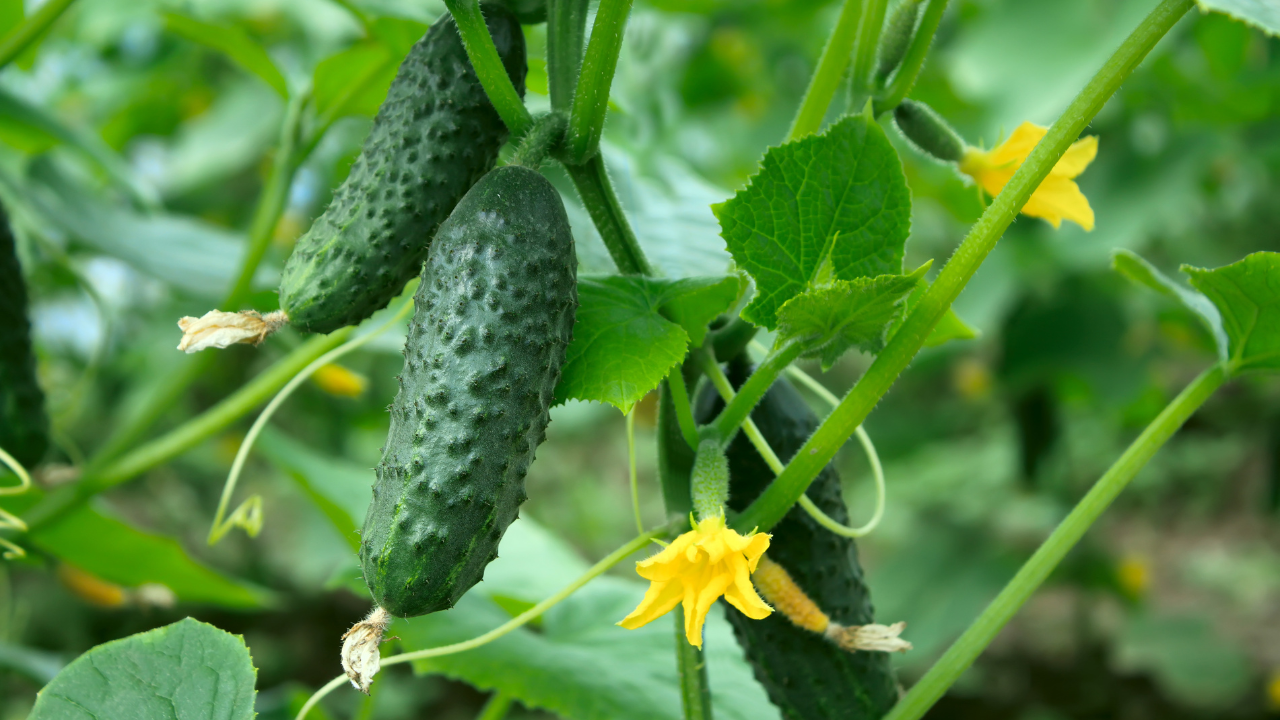
Quick field guide for cucumbers
Most people only buy the shrink-wrapped "English" cucumber. You're missing out on a surprisingly diverse family:
-
English (Hothouse): Long, slim, nearly seedless, and thin-skinned. The low-maintenance supermarket standard.
-
Persian: Small, crisp, and snack-able. Thin skin, minimal seeds, and hands-down the best choice for smashed cucumber salads.
-
Kirby (Pickling): Short, thick-skinned, and bumpy. These carry the highest concentration of skin silicon.
-
Mexican (Lemon): Round, pale yellow, and about the size of a lemon. Slightly sweeter and rarely bitter.
-
Armenian: Botanically a melon, but treated like a cucumber. Pale green, heavily ribbed, and often sold in long, serpent-like curls. Super refreshing.
How to upgrade your cucumber game (& some recipes to help)
If you want to move past spa water and classic side salads, here are a few far more interesting ways to prepare them:
-
Use thick rounds as "nature’s cracker." Slice them on a bias for extra surface area and use them as a sturdy vehicle for dips and protein. Top them with smoked salmon, tuna or chicken salad, guacamole, hummus, or feta. You get the crunch without the refined flour spike.
-
Make grain-free sushi roll-ups. Using a vegetable peeler, shave wide, full-length ribbons. Lay them overlapping on a cutting board, spread a thin layer of goat cheese, or mashed avocado, add sliced turkey or smoked salmon, and roll them up into bite-sized pinwheels.
-
Smash them for salads. Lay Persian cucumbers flat and smash them lightly with the flat side of a knife or a rolling pin. Smashing breaks open the internal structures, creating rough, craggy edges that trap garlic, rice vinegar, tamari, and chili crisp infinitely better than slick knife cuts.
-
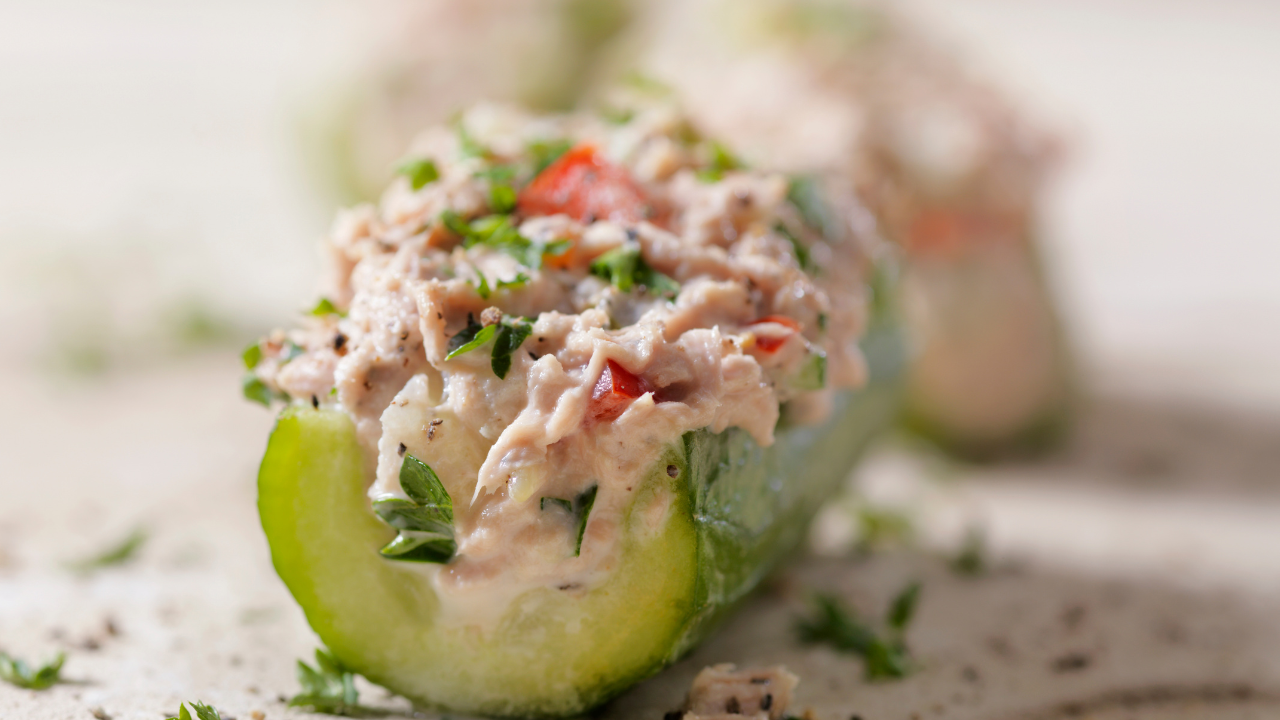
Scoop them into "cucumber boats." Halve a cucumber lengthwise and scoop out the seeds with a spoon. Fill the hollow with quinoa salad, spiced black beans and corn, or a Greek salad mix for a hand-held, mess-free lunch.
-
Quick-pickle them with sweet fruit. Toss thin slices with rice vinegar, lime juice, sea salt, and diced watermelon, mango, or peaches. The cold crunch against the natural fruit sugars creates an incredible side for grilled chicken or fish.
-
Blend into 10-minute cold 'gazpacho'. Toss whole unpeeled cucumbers into a blender with avocado, garlic, olive oil, lemon juice, and plenty of dill or mint. Blend until silky for a rich, no-cook chilled soup.
The bottom line
Cucumbers aren't flashy, but they're helpful for your blood sugar, systemic inflammation, gut diversity, and daily hydration. Next time you're wandering a summer market or in the produce aisle—don't just pass them by. Push the boat out, grab a variety you haven't tried before, and LMK how it goes.
TL;DR
-
Keep the skin: Most of the fiber, bone- and collagen-supporting silicon, and anti-inflammatory fisetin are in the skin.
-
The bitterness rule: Cucurbitacins are beneficial in micro-doses, but toxic in high concentrations. If a cucumber tastes intensely bitter, toss it out.
-
Glycemic buffer: High water and low digestible carbs make cucumber an easy ballast to lower the blood sugar spike of heavier meals.
-
Get creative: Use thick rounds as "crackers," smash them for dressings, roll ribbons into sushi-style pinwheels, or flash-sear them in a hot wok.
-
Eye trick truth: Chilled slices do temporarily de-puff eyes as a cold compress.
-
Gut diversity matters: Summer is the ideal time to push the boat out; trying distinct varieties (Persian, Lemon, Kirby) feeds a more diverse microbiome.
-
Superior hydration: Natural electrolytes (potassium + sodium) make cucumber water better absorbed than plain water.
References:
-
Jugdaohsingh, R., Tucker, K. L., Qiao, N., Cupples, L. A., Kiel, D. P., & Powell, J. J. (2004). Dietary silicon intake is positively associated with bone mineral density in men and premenopausal women of the Framingham Offspring cohort. Journal of Bone and Mineral Research, 19(2), 297–307.
https://doi.org/10.1359/JBMR.0301225 -
Kaushik, U., Awasthi, A., Saini, V. K., Singala, R., & Jalwal, P. (2015). Cucurbitacins: An insight into medicinal leads. Pharmacognosy Reviews, 9(17), 12–18.
https://doi.org/10.4103/0973-7847.156314 -
Atkinson, F. S., Brand-Miller, J. C., Foster-Powell, K., Buyken, A. E., & Goletzke, J. (2021). International tables of glycemic index and glycemic load values 2021: A systematic review. The American Journal of Clinical Nutrition, 114(5), 1625–1632.
https://doi.org/10.1093/ajcn/nqab233 -
Lattimer, J. M., & Haub, M. D. (2010). Effects of soluble and insoluble dietary fiber on physiological functions and the gut. Nutrients, 2(12), 1266–1289.
https://doi.org/10.3390/nu2121266 -
Maher, P. (2019). Preventative and therapeutic potential of the dietary flavonoid fisetin in chronic diseases and aging. Genes & Nutrition, 14, Article 38.
https://doi.org/10.1186/s12263-019-0656-9 -
McDonald, D., Hyde, E., Debelius, J. W., Morton, J. T., Gonzalez, A., Ackermann, G., Aksenov, A. A., Behsaz, B., Brennan, C., Chen, Y., DeRight Goldasich, L., Dorrestein, P. C., Dunn, R. R., Fahimipour, A. K., Gaffney, J., Gilbert, J. A., Gogul, G., Green, J. L., Hugenholtz, P., … Knight, R. (2018). American Gut: An open platform for citizen science microbiome research. mSystems, 3(3), e00031-18.
https://doi.org/10.1128/mSystems.00031-18 -
Rymal, K. S., Chambliss, O. L., Bond, M. D., & Smith, D. A. (1984). Squash poisoning from domestic gourds: Cucurbitacin toxicity in Cucurbita pepo. Journal of Food Protection, 47(11), 862–863.
https://doi.org/10.4315/0362-028X-47.11.862 -
Environmental Working Group. (2024). EWG’s 2024 Shopper’s Guide to Pesticides in Produce™. Environmental Working Group.
https://www.ewg.org/foodnews/dirty-dozen.php
