
Secrets to success with protein
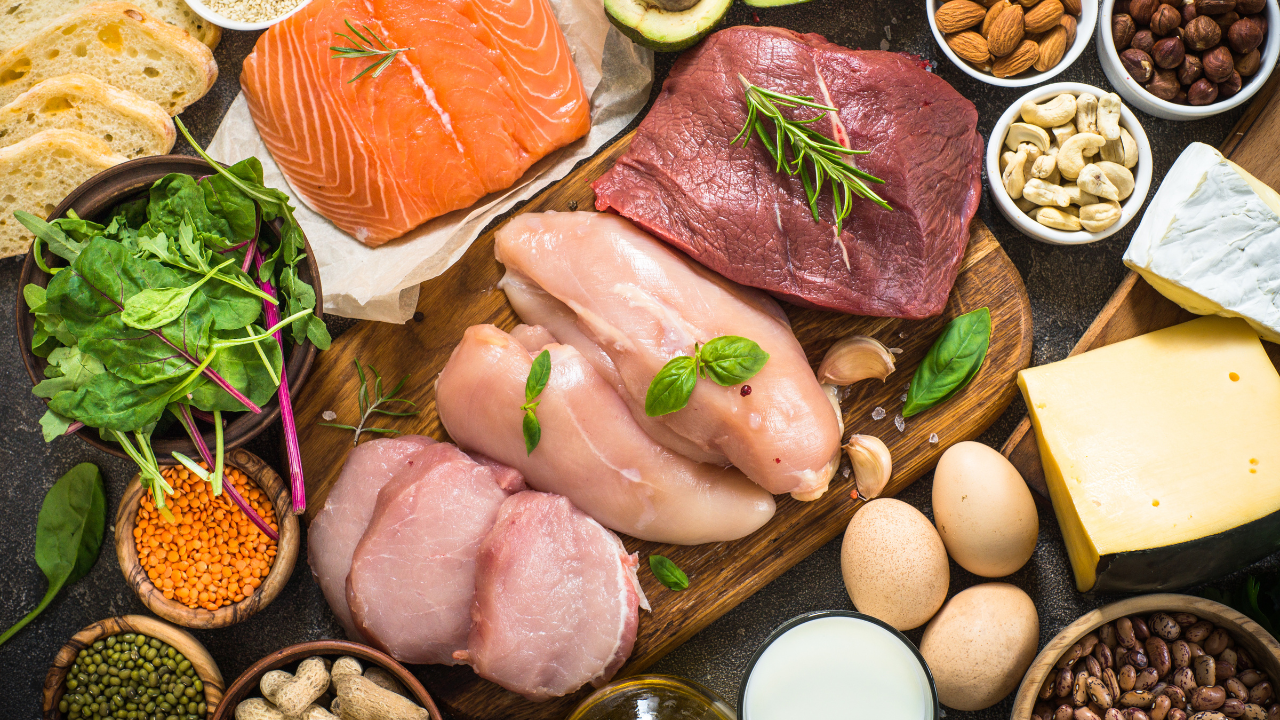
Protein has officially transitioned from a background nutrient to a headline act. Everywhere you turn, there’s a push to “eat more protein”—and while the message isn’t wrong, it’s incomplete.
Are you eating more protein but feeling more... inflated?
We’ve been told to hit our protein goals at all costs. But if you’re hitting the numbers and feeling sluggish, heavy, or bloated, you aren’t actually "winning" at nutrition. You’re just giving your digestive tract a difficult homework assignment it can’t finish.
 Beyond muscle, protein truly is the multi-tasker...
Before we talk about how much you need, we have to understand why "optimal function" simply isn't possible without protein. We often think of it as just "muscle food," but your body sees it as the ultimate multi-tool.
Protein is foundational to nearly every system that determines how you feel and function:
-
The messengers: It creates the neurotransmitters and hormones that regulate your mood and appetite (1, 2).
-
The transporters & buffers: Proteins like hemoglobin act as a delivery system for oxygen and help maintain your body's delicate pH balance (3).
-
The fluid balance: Proteins like albumin keep fluids where they belong (3).
-
The defense: Your immune system relies on immunoglobulins (antibodies) to recognize and fight off invaders (1).
In short: protein is the primary "worker" in your biological economy.
 The construction site analogy
Because protein is responsible for so many different jobs, I like to think of it as a delivery of bricks to a construction site.
If a truck drops off 30,000 bricks (your 20–30g of protein) but you don’t have the workers (teeth, enzymes or stomach acid) to move them, those bricks don’t become a new wall. Instead, they just sit on the sidewalk, blocking traffic and causing a neighborhood nuisance. In your body, that "nuisance" is inflammation and immune reactivity.
It’s not just about how much protein you eat—it’s about how effectively you break it down, absorb it, and put it to work.
 How much do you actually need?
Aim for ~20–30 grams of protein per meal. This range is consistently associated with muscle protein synthesis, blood sugar stability, and satiety (2, 4).
What does 25–30g actually look like?
-
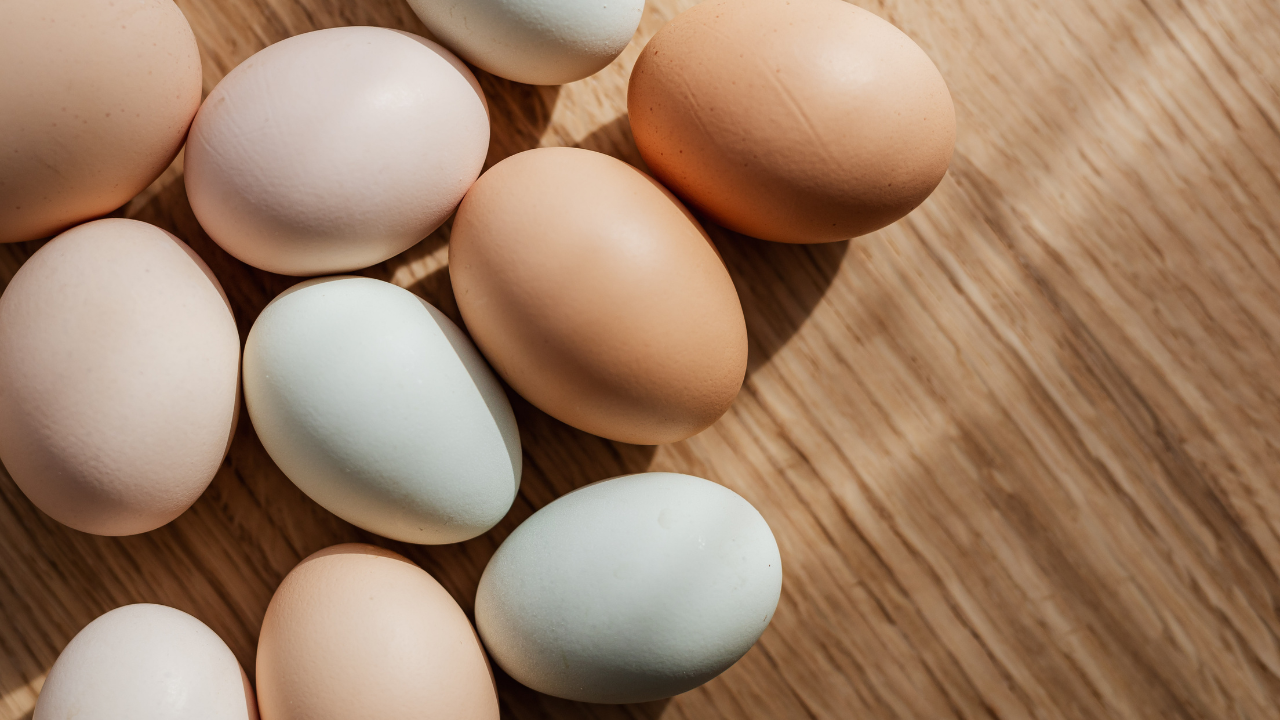
Animal-based: A palm-sized portion of chicken, 5 oz of salmon, or 4–5 eggs.
-
Dairy: ~1.5 cups of Greek yogurt.
-
Plant-based: 1 cup of tempeh, ~200g of tofu, or a combination of lentils and quinoa.
 Is your body giving you "feedback"?
This is where awareness becomes powerful. If the "bricks" are sitting on the sidewalk, your body will tell you.
Pay close attention to how you feel after eating protein-rich meals. These common signs aren't random; they are data points:
-
Bloating or heaviness immediately after meals
-
Excessive or foul-smelling gas
-
Feeling overly full or sluggish
-
Reflux or frequent belching
-
Undigested food in stool
-
Post-meal fatigue (the "food coma")
-
Increasing food sensitivities
If these sound familiar, your "protein math" might be perfect, but your utilization is stalled.
Strategies to achieve results (& avoid feedback!)
Many people are already tracking their intake and check the box for 30g. They’ve done the math.
But here's the critical gap: The numbers on your plate do not automatically become the numbers in your bloodstream.
If you eat 30 grams of protein but your digestive system only manages to "unlock" 15 grams of it, the other 15 grams don't just disappear. They stay in the gut, becoming a burden rather than a benefit.
To help you move from intake to utilization, here are my top strategies for ensuring that the protein you eat actually reaches your cells.

Shift into "rest and digest" mode
Digestion is not a passive process; it is a neurological one.
Your body has two main settings: "Fight or Flight" (Sympathetic) and "Rest and Digest" (Parasympathetic).
When you're stressed, working, or rushing, your body shunts blood flow away from the digestive tract and toward your limbs. In this state, your production of stomach acid and digestive enzymes drops significantly. You could be eating the highest quality organic protein in the world, but if your parasympathetic nervous system isn't activated, your body isn't "open for business."
The Shift: Before your first bite, take 3–5 slow, deep breaths. This simple act signals to your brain that it is safe to prioritize digestion.
 Prioritize chewing (& know why it's crucial)
I know, I know...chewing has a branding problem. Mention it and we immediately think of one of two things:
-
Someone lecturing you to “slow down and chew 32 times,” which, frankly, is just annoying to hear when you’re hungry and ready to eat.
-
A puppy. Think back to that chaotic, teething phase where anything not tied down was fair game (this is our Bruno, 9 years ago, about to make a meal out of my Dad's shoe!)
The problem is, not many people appreciate why this mechanical step matters so much—and it’s a non-negotiable for protein. To understand why, we need to think like a Michelin-starred chef.
The culinary lesson: It’s all about surface area
Think about a professional kitchen. Why do chefs obsess over a perfect, tiny mirepoix (the foundation of onions, carrots, and celery)? They aren't doing it just to be fancy. They do it because they want to expose as much surface area as possible to the heat and fat. More surface area equals more flavor extraction, faster cooking, and a vastly better end result.
I learned this the hard way on my very first day of my "stage" (culinary internship) at the legendary Chez Panisse. I had spent a significant amount of time chopping what I thought was a masterful pile of mirepoix. I presented my vegetables with pride, only to be told—very promptly and clearly—that my pieces weren’t small enough. I hadn't created enough surface area for the culinary magic to happen, and I had to throw it all away and start over!
Now, apply that to your stomach. Your stomach doesn’t have teeth. When you swallow large, "un-chopped" chunks of protein, you are depriving your digestive enzymes of the surface area they need to do their jobs.
When protein isn't properly liquidized and broken down into individual amino acids, larger fragments remain. The larger the fragment, the more immunogenic (immune-triggering) it is.
These fragments can irritate the gut lining and contribute to food sensitivities over time (5, 6). This is why proteins like gluten and casein (dairy) are so often problematic—their proline-rich structures are naturally "tougher" to break down (7, 8). If you aren't digesting them fully, your immune system treats them like an invader rather than a nutrient.
Slow down
Once you've shifted your nervous system and committed to the "surface area" rule, you need to maintain that momentum.
The Shift: Put your utensils down between bites. This naturally prevents "shoveling" and ensures you aren't overwhelming your digestive workers with a backlog of "bricks" they can't process yet.
TL;DR: The protein success summary
-
Protein is the ultimate mult-tasker: It's essential for your hormones, immune system, and fluid balance—not just muscle (1, 3).
-
The 30g target: Aim for 20–30g per meal to maximize satiety and metabolic health (2, 4).
-
Intake ≠ Utilization: You only benefit from what you actually absorb.
- Don't ignore feedback: Implement the strategies to avoid it.
-
Nervous system first: Take 3–5 breaths before eating to activate your "Rest and Digest" mode.
-
Maximize surface area: Chew your food until it’s liquid to help enzymes do their job.
-
Stop the shovel: Put your fork down between bites to give your gut time to keep up.
References
-
Phillips, S. M. (2017). Current concepts and unresolved questions in dietary protein requirements and supplements in adults. Frontiers in Nutrition, 4, 13.
https://doi.org/10.3389/fnut.2017.0013 -
Lonnie, M., et al. (2018). Protein for life: Review of optimal protein intake, dietary sources and the effect on appetite in ageing adults. Nutrients, 10(3), 360.
https://doi.org/10.3390/nu10030360 -
Gropper, S. S., & Smith, J. L. (2012). Advanced nutrition and human metabolism (6th ed.). Cengage Learning.
-
Morton, R. et al. (2018). A systematic review, meta-analysis and meta-regression of the effect of protein supplementation on resistance training-induced gains in muscle mass and strength in healthy adults. British Journal of Sports Medicine, 52(6), 376–384.
https://doi.org/10.1136/bjsports-2017-097608 -
Fasano, A. (2020). All disease begins in the (leaky) gut: Role of zonulin-mediated gut permeability in the pathogenesis of some chronic inflammatory diseases. F1000Research, 9, F1000 Faculty Rev-69.
https://doi.org/10.12688/f1000research.20510.1 -
Camilleri, M. (2019). Leaky gut: Mechanisms and clinical implications. Gut, 68(8), 1516–1526.
https://doi.org/10.1136/gutjnl-2019-318427 -
Mamone, G., Nitride, C., Picariello, G., Addeo, F., Ferranti, P., & Rossi, M. (2023). Tracking the fate of dietary proteins and their effect on health: From digestion to function. Frontiers in Nutrition, 10, 1118645.
https://doi.org/10.3389/fnut.2023.1118645 -
Cebolla, Á., Moreno, M. L., Pascual, N., & Sousa, C. (2018). Gluten immunogenic peptides as standard for the evaluation of the gluten-free diet. Nutrients, 10(12), 1927.
https://doi.org/10.3390/nu10121927
