
Making the case for cabbage
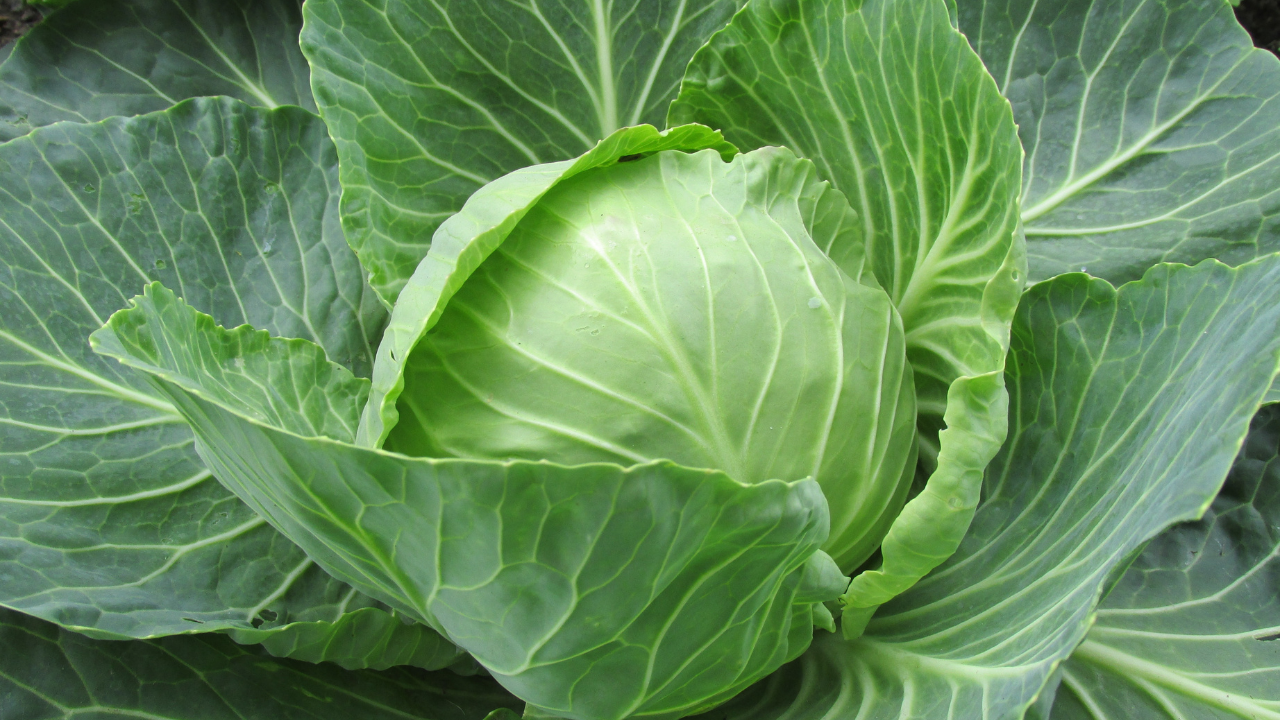
I’ve been on a major cabbage kick lately...
And before you ask—no, this isn't some nostalgic throwback to St. Patrick’s Day. Even though I am 100% Irish, I can honestly say I’ve never eaten a meal of corned beef and cabbage, even on the holiday! Anyway, this isn't about heritage; it’s about nutritional efficiency.
In the world of "superfood" marketing, we’ve seen kale in the spotlight and we've witnessed cauliflower become everything from rice to pizza crust! But cabbage? It has been quietly delivering high-level results for decades—maybe it just lacks a PR department?!
For a busy professional, cabbage is the ultimate "low-maintenance, high-yield" vegetable.
It’s durable and versatile. Unlike a bag of baby spinach that turns to slime in 48 hours, cabbage waits for you in the fridge until you actually have the time to cook it.
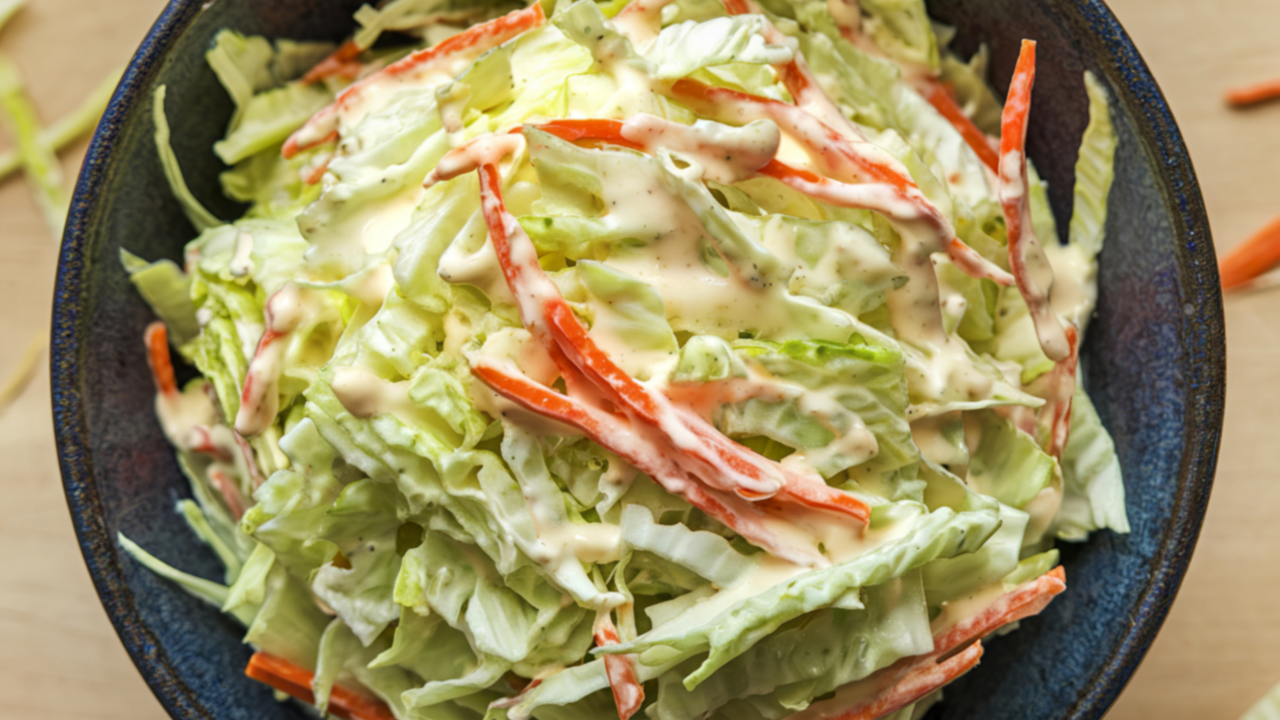 Back in the heavy mayo or mush era:
Growing up in Ireland in the 70s and 80s, cabbage really only made it to the menu in one of two ways: It was either drowned in goopy mayo in a soggy coleslaw or braised until it was a vinegary mush. My mum didn’t make it often, but when she did, that very distinct, sulfurous smell filled our kitchen. Let’s just say neither of those iterations did much to build cabbage's reputation in our house.
But when you move beyond those unappealing classics, you'll find a functional powerhouse that targets the three pillars of longevity: gut health, systemic inflammation, and cardiovascular resilience.
Cabbage's nutritional ROI:
Cabbage isn't just "filler" on your plate; it’s truly a very tasty investment in your health. Here is why it earns its place on a high-performance menu:
-
Gastrointestinal integrity: Cabbage is a premier source of L-glutamine, an amino acid essential for maintaining the mucosal lining of the gut (1). Combined with its high fiber content, it acts as a mechanical and chemical support system for a diverse microbiome (2).
-
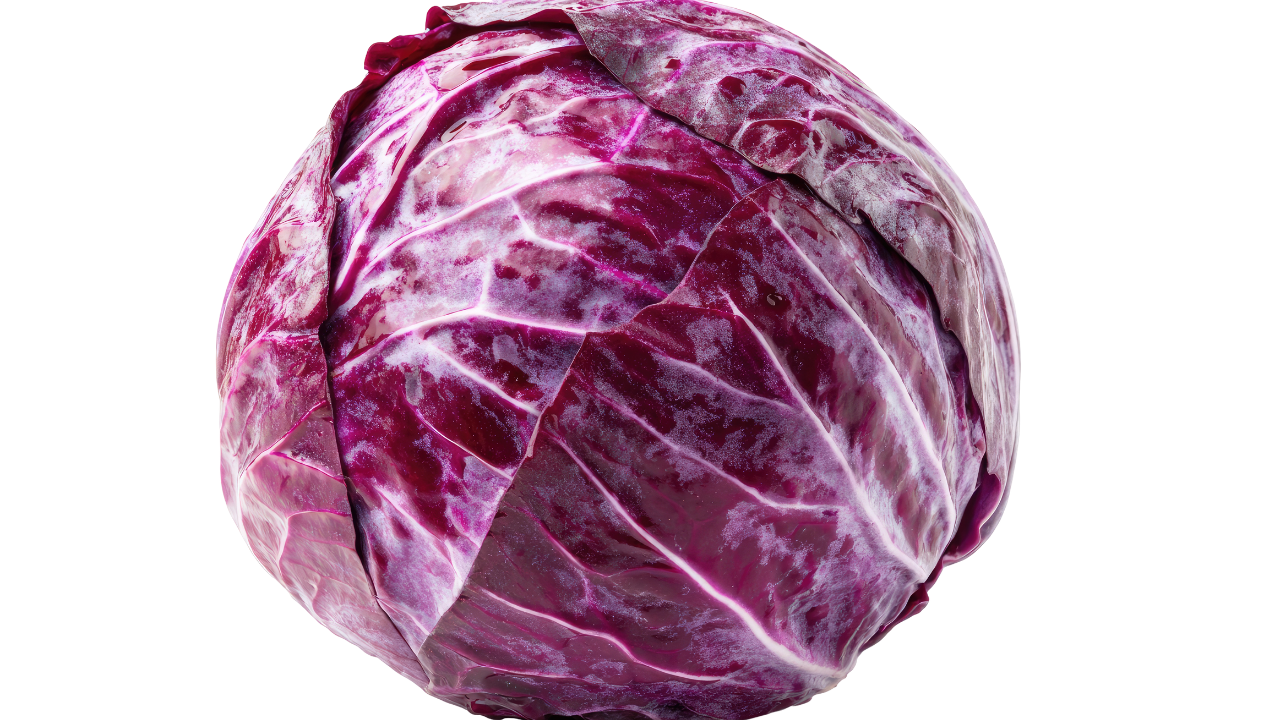
Vascular & heart health: Purple cabbage is packed with anthocyanins. These flavonoids are linked to a significant reduction in arterial stiffness and blood pressure (3). Furthermore, cabbage provides Vitamin K1, which is critical for proper calcium handling—ensuring calcium stays in your bones and out of your arteries (4).
-
Antioxidant defense: As a cruciferous vegetable, it contains glucosinolates that convert into sulforaphane. This compound activates the Nrf2 pathway—your body’s own internal antioxidant manufacturing plant—to combat oxidative stress caused by high-pressure lifestyles (5).
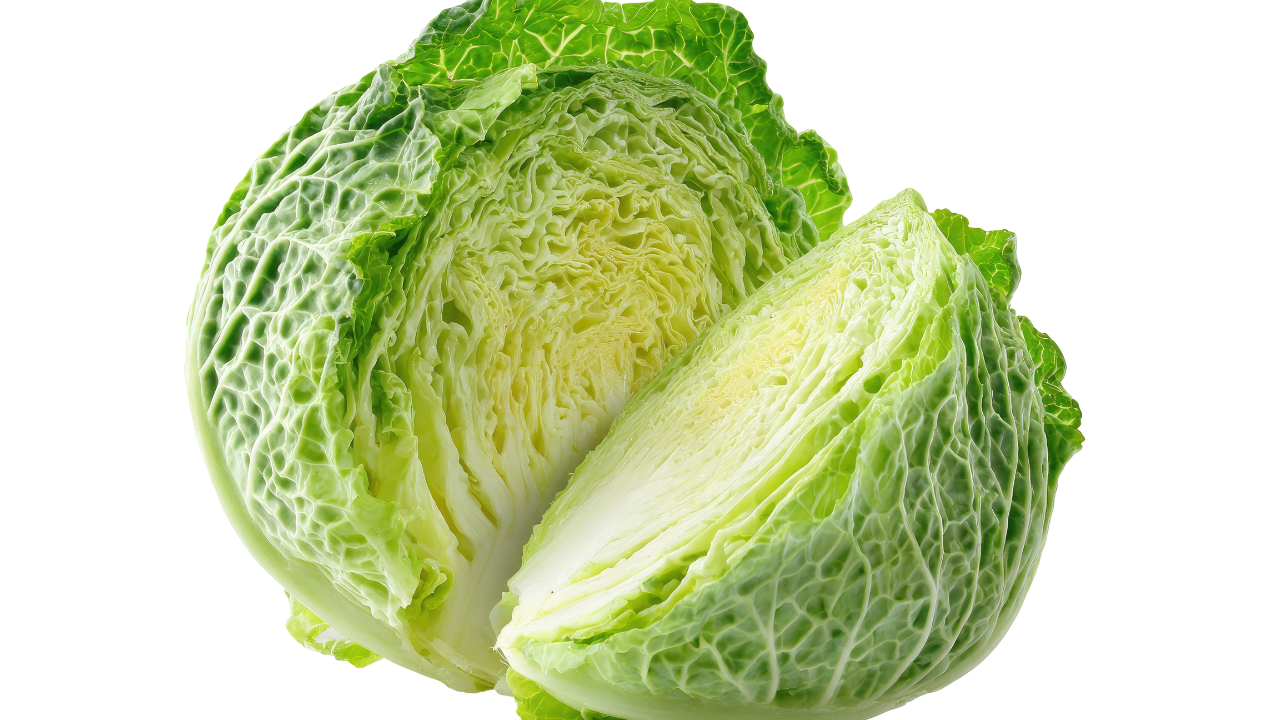
A quick field guide:
Not all cabbage is created equal. Depending on your goals, you may want to reach for a specific variety:
-
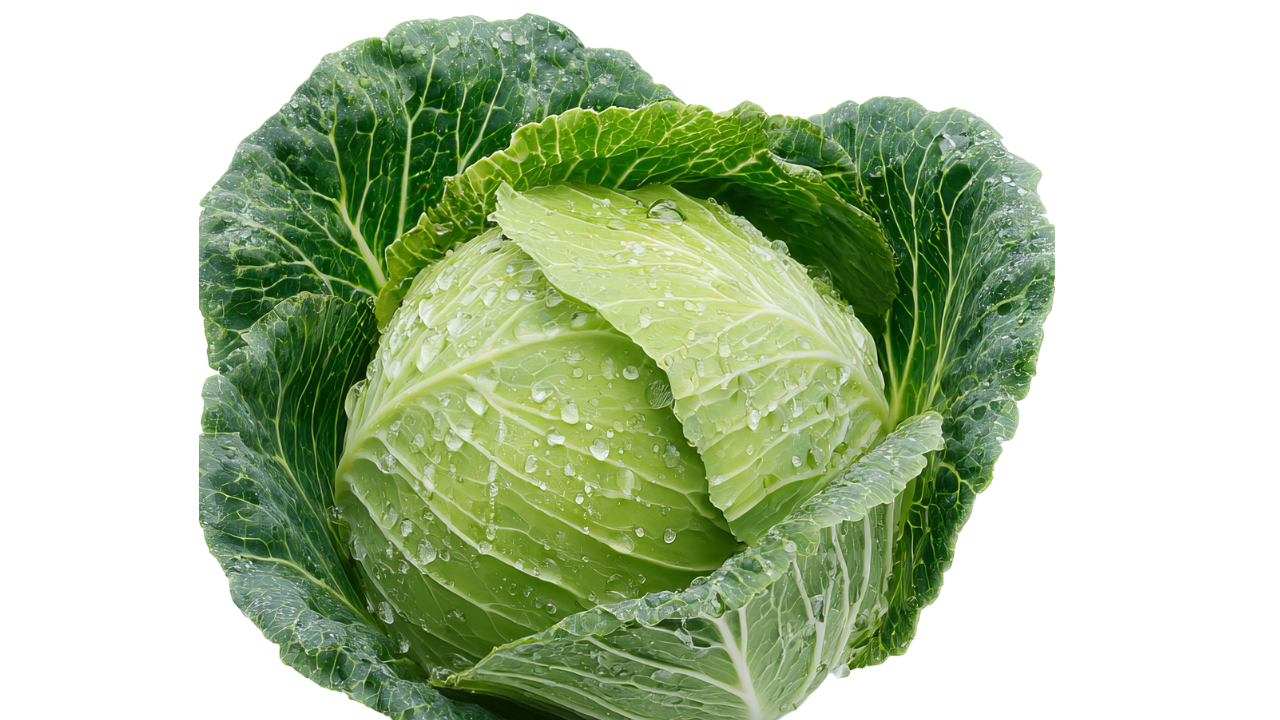
Green (flat leaf): The standard workhorse. It has the highest concentration of Vitamin K and is the best candidate for long-term fridge storage.
-
Purple: The "Longevity" pick. It contains up to 10x more anthocyanins than green cabbage. If your focus is heart health or reducing systemic inflammation, this is your winner.
-
Savoy (curly leaf): The gourmet's choice. Its crinkled, tender leaves are less "rubbery" than flat leaf varieties. It’s perfect for roasting as the edges crisp up beautifully, almost like kale chips.
-
Napa (Chinese cabbage): This is your digestive system's favorite. It has a higher water content and softer fiber structure, making it the gentlest on the gut and the traditional choice for kimchi.
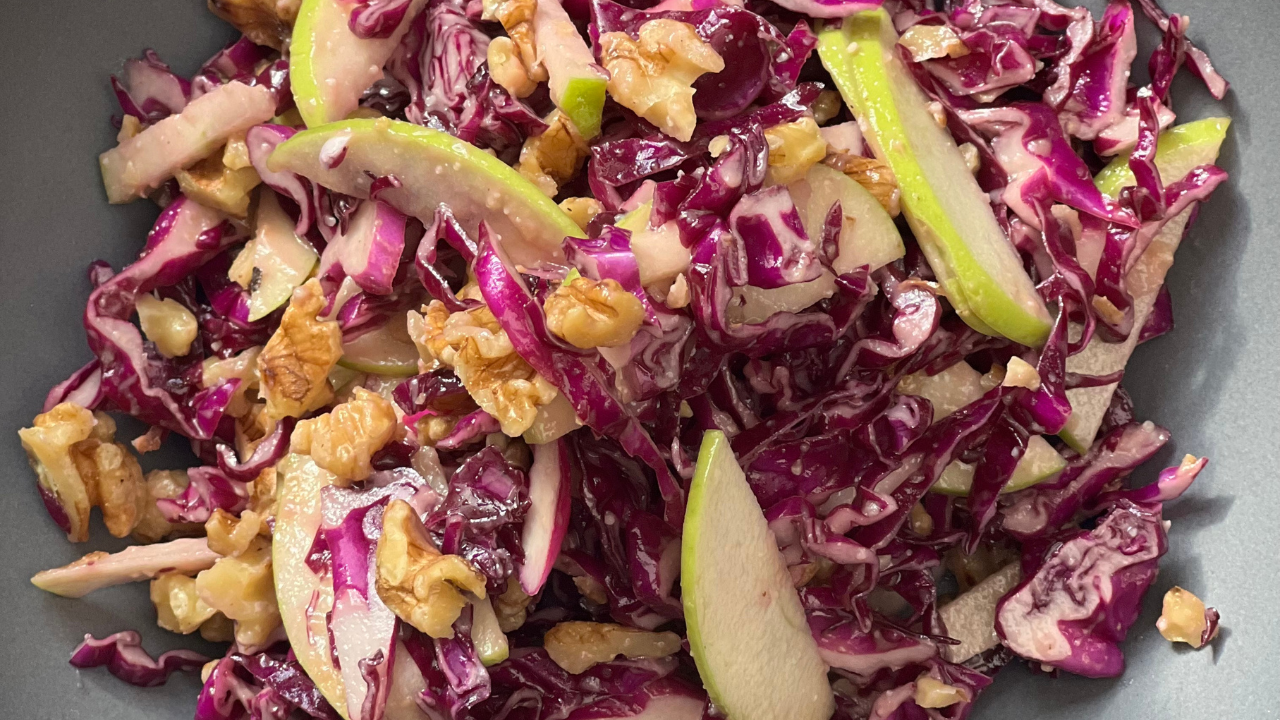
Matching nutrition goals to prep method:
To maximize the nutritional ROI, you'll need to match your preparation to your specific health objective:
-
For the microbiome → Choose fermented. Sauerkraut and kimchi provide a direct hit of probiotics. Fermentation also increases the bioavailability of minerals (2).
-
For detox & heart Health → Go raw or lightly steam. A quick steam (under 5 minutes) preserves the myrosinase enzyme needed to produce sulforaphane. Boiling loses these benefits to the water (5).
-
For nutrient density → Keep it raw. Heat destroys Vitamin C and L-glutamine. A crunchy slaw is the best way to keep these heat-sensitive nutrients intact for gut repair.
-
For absorption & digestion → Roast It. Roasting breaks down tough fibers for easier digestion. Pairing it with a healthy fat significantly increases your absorption of Vitamin K1 (4).
-
Pro Tip: Use the "Chop & wait" rule. Slice your cabbage 20 minutes before roasting to "activate" the sulforaphane so it survives the oven's heat.
-
The "first aid" veg:
Cabbage is so biologically active that its leaves have been used for centuries as a "poultice."
It's relatively well known remedy for treating mastitis due to its anti-inflammatory properties (6), and it’s also said to have been used to manage joint pain. Fully appreciate that sounds like a bit of a stretch, but there is research to support that wrapping a painful joint in chilled, crushed cabbage leaves can provide localized relief for osteoarthritis of the knee—reducing swelling and heat as effectively as some topical medicated gels (7)...LMK if you give this a try!
The verdict?
Don't let "perfect" be the enemy of "excellent." While roasting can reduce Vitamin C content, it makes the vegetable so delicious that you’ll actually eat the entire serving. For a balanced approach, enjoy your roasted wedges for dinner, but keep a little raw slaw or sauerkraut in your weekly rotation to hit those heat-sensitive targets.
Consider this your nudge: pick up a head of cabbage this week and try it just one new way.
TL;DR:
-
Efficiency: Lasts for days in the fridge; minimal waste.
-
Variety hack: Choose purple for heart health (anthocyanins) or savoy for the best roasting texture.
-
Core benefits: Repairs gut lining (L-glutamine), protects arteries (Anthocyanins), and fights stress (Sulforaphane).
-
The hack: Roast for taste and Vitamin K absorption, but keep some raw or fermented in your diet for gut repair.
-
First aid: Can be used topically for breastfeeding discomfort or knee joint swelling.
References:
-
Kim, M. H., & Kim, H. (2017). The Roles of Glutamine in the Intestine and Its Implication in Intestinal Diseases. International Journal of Molecular Sciences.
-
Dimidi, E., et al. (2019). The Effect of Fermented Foods on the Gut Microbiota and Gastrointestinal Health: A Systematic Review. Nutrients.
-
Fairlie-Jones, L., et al. (2017). The Effect of Anthocyanin-Rich Foods or Extracts on Vascular Function in Adults: A Systematic Review and Meta-Analysis of Randomized Controlled Trials. Nutrients.
-
Vermeer, C. (2012). Vitamin K: the effect on health beyond coagulation – an overview. Food & Nutrition Research.
-
Houghton, C. A. (2019). Sulforaphane: Its "Coming of Age" as a Clinically Relevant Nutraceutical in the Prevention and Treatment of Chronic Disease. Oxidative Medicine and Cellular Longevity.
-
Wong, B. B., et al. (2017). The effectiveness of cabbage leaf application (treatment) on pain and hardness in breast engorgement and its effect on breastfeeding duration. JBI Database of Systematic Reviews.
-
Lauche, R., et al. (2016). Efficacy of Cabbage Leaf Wraps in the Treatment of Symptomatic Osteoarthritis of the Knee: A Randomized Controlled Trial. The Clinical Journal of Pain.
