
Reconsider beans, why and how

Beans are getting the culinary, and behavioral, re-brand they deserve...
The Wall Street Journal’s recent profile of Rancho Gordo (1) underscored a point that rarely makes it into nutrition conversations: we should choose beans for their flavor, not just as a fiber compliance strategy.
When food is deeply enjoyable, we naturally return to it.
Flavor is not merely pleasure; it’s one of the most powerful — and underutilized — facilitators of behavior change.
When something is delicious, there’s no willpower tax, no nutritional martyrdom, no resistance. We reach for it again because we want to, not because we “should.”
When your goal is sustained dietary change, deliciousness is a vital ingredient — not a luxury.
Fiber is still our most under-consumed metabolic ally
We are collectively improving when it comes to managing sugars and prioritizing protein, but fiber remains the elusive (vital) third pillar of metabolic health.
Average daily intake hovers between 10–15 grams, but optimal intake is closer to 35–45 grams. The gap here is not trivial; it’s metabolic.
Fiber matters most because of what it enables in the gut. When beans’ fiber and resistant starch reach our large intestines, microbes ferment them into short-chain fatty acids (SCFAs) — acetate, propionate, and butyrate — these are bioactive molecules which in turn:
-
Reduce inflammation
-
Strengthen the gut barrier
-
Modulate immune responses
-
Improve insulin sensitivity
These are direct cardio-metabolic levers, not abstract nutrition trivia.

Beans’ multi-pathway cardiometabolic benefits
Beans contain so much more than just fiber and protein — they deliver multiple bioactive compounds that support cardiovascular and metabolic health:
• Saponins — modulate cholesterol absorption + inflammatory cascades
• Polyphenols — reduce oxidative stress + enhance endothelial function
• Bioactive peptides — inhibit ACE → support blood pressure control
• Slow-release carbohydrates + plant-based protein — increase satiety + metabolic flexibility
• Resistant starch + soluble fiber — flatten glucose curves + improve insulin sensitivity
And, clinical data reflect these mechanisms:
-
LDL cholesterol: ~8–10% reductions with regular legume intake (2)
-
Blood pressure: systolic reduction of ~2.25 mm Hg (3)
-
Glycemic control: improved post-prandial glucose + reduced variability (4)
-
Inflammation: reduced hs-CRP + enhanced antioxidant capacity (5)
-
Microbiome: increased SCFA-producing taxa (6)
Few foods influence lipids, glucose, inflammation, vascular tone, satiety, and microbiome metabolism simultaneously — and at this level of affordability and accessibility.
The old playground refrain (& why so many people avoid beans!)
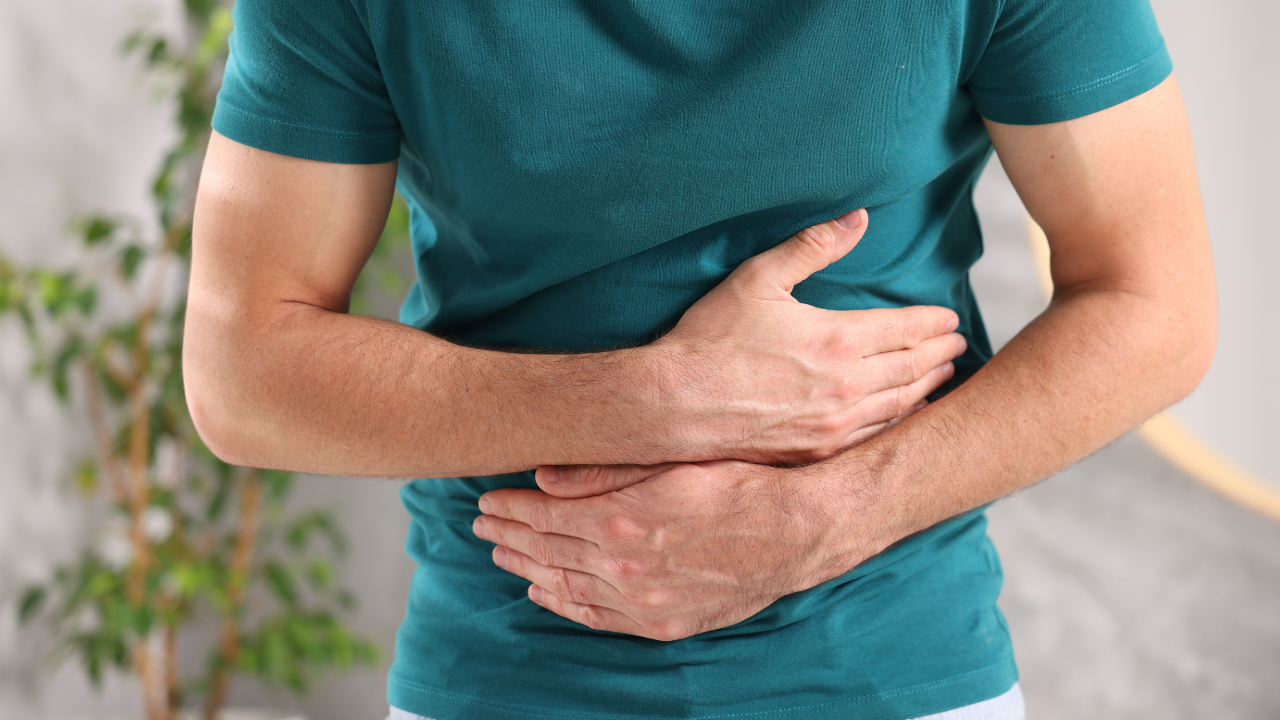
"Beans, beans, they’re good for your heart…” followed by the inevitable digestive punchline — captured a truth and a deterrent in equal measure.
The classic story I hear in practice is someone reads about beans, feels motivated to eat them, and at their next meal eats a full bowl after months (or years) of minimal fiber intake.
Gas, bloating, discomfort… and a rapid conclusion that beans “don’t agree” with them is what typically ensues.
But the real truth is it most likely wasn’t an intolerance issue — it was a dose mismatch.

Your microbes need time — and substrate — to adjust
Beans contain oligosaccharides that feed specific microbial populations within your gut. If those species are sparse, fermentation is loud.
As they proliferate, symptoms fade and SCFA production rises. This is microbiome ecology — not digestive failure.
The solution is not avoidance, it’s titration.
How to make beans digestively friendly (and why “going slowly” is key)
Cooking & prep strategies:
-
Soak dried beans overnight + rinse well
-
Pressure cook to reduce oligosaccharides (FYI the instant pot is ideal for this)
-
Add epazote, bay leaf, kombu, ginger, or cumin
-
Begin with lentils or mung beans (they tend to be easier to digest)
Stepwise tolerance-building strategy:
-
Start with ¼ cup servings, 3–4x/week
-
Maintain for 1–2 weeks (microbial adaptation window)
-
Increase, gradually, to ½ cup
-
Rotate bean types to diversify microbial exposure
Gradual shifts allow beneficial species to expand, improving tolerance and amplifying SCFA-mediated benefits.
How to start integrating beans as a daily food
Practical suggestions, and recipes, include:
-
Bean purées or spreads, e.g.: try my white bean, roasted garlic & rosemary dip
-
Bean-studded salads, bowls, or eggs, e.g., consider adding black beans to your breakfast
-
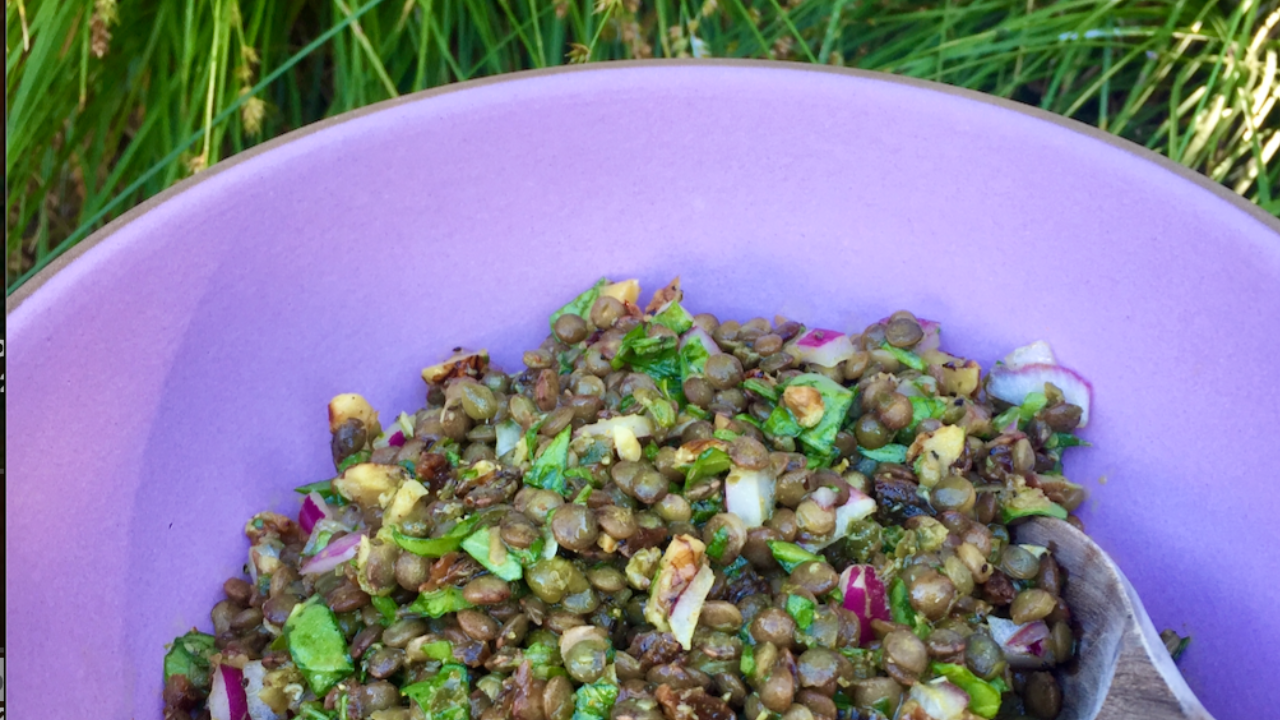
Make a bean based salad, e.g., try this - my all time favorite lentil salad
- Minestrone, pozole, chili, cassoulet, e.g., try my turkey chili with white beans
Bottom line
Beans are a longevity food not because they are virtuous, but because they are delicious, repeatable, and mechanistically potent.
When flavor leads, consistency follows; when consistency follows, physiology changes — quietly and cumulatively — in the direction of better cardiometabolic health.
TL;DR
-
Beans are metabolically powerful and yet sadly under-consumed
-
Benefits extend beyond fiber to saponins, polyphenols, peptides, and resistant starch
-
Clinical data show improvements in LDL, BP, glucose control, inflammation, and SCFAs
-
Digestive issues are usually dose-related, not intolerance
-
Microbial adaptation is key — go slow + prep well
-
Flavor drives behavior change; behavior change drives outcomes
References
- Cohen, B. WSJ, 1.9.26 — There are 29,000 people on a waitlist for beans, and it's not for the fiber
-
Ha et al., Arch Intern Med, 2012 — legumes & LDL meta-analysis
-
Jayalath et al., J Clin Hypertens, 2014 — pulses & systolic BP
-
Jenkins et al., Arch Intern Med, 2012 — legumes & glycemic control
-
Hermsdorff et al., J Nutr Health Aging, 2014 — legumes & inflammatory markers
-
Zeng et al., Gut Microbes, 2021 — SCFAs, microbiota & metabolic regulation
