
Sip your way to better health
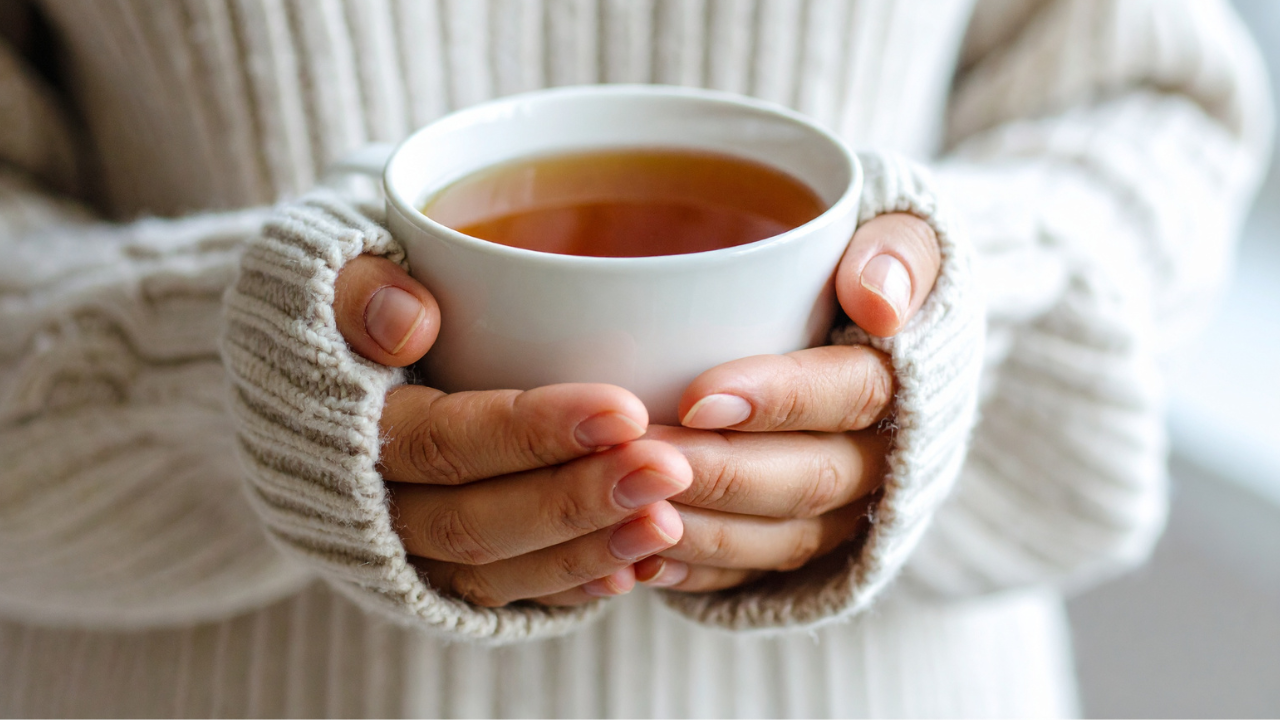
Sitting down with a warm drink is one of the most familiar rituals of the colder months. It signals pause, comfort, and a gentle shift inward. Yet beyond the ritual, what you choose to put in that mug influences your physiology.
A healthy choice can support metabolic stability, digestion, vascular tone, nervous system balance, and ultimately the quality of your sleep. My intention here is simple: help you use this daily ritual in a way that works for your biology rather than against it.
That becomes particularly relevant when caffeine enters the picture...
Many people acknowledge that late-in-the-day caffeine doesn’t always prevent sleep, but it typically reduces deep sleep, increases nighttime awakenings, and leaves energy feeling flatter the following day.
The solution isn’t to abandon the ritual. It’s to enhance it—gradually shifting from stimulation toward drinks that restore, calm, and support recovery while preserving the comfort of the habit.
We know caffeine affects sleep—but most don’t know how...
Caffeine doesn’t simply “wear off.” It declines gradually according to its half-life—the time required for the body to eliminate 50% of a substance from the bloodstream.
For most adults, caffeine’s half-life is ~5–7 hours (FYI, timing varies according to genetics, liver detoxification capacity, hormone, and medication status).
In practical terms:
-
A coffee at 2 pm → ~50% still active around 7–9 pm
-
By bedtime → 25–50% may still be circulating
-
You may fall asleep, but residual caffeine can reduce deep sleep, increase nighttime awakenings, and impair overnight recovery
If restorative sleep is your goal (and you know it should be!), a simple and effective shift is to avoid caffeine after 12 noon and gradually transition toward lower-caffeine and then caffeine-free warm drinks as the day progresses.

How to ease off caffeine without giving up your ritual
Your nervous system does far better with a gentle glide than a hard stop. Rather than cutting caffeine abruptly, step it down over time:
Coffee → Matcha → Green tea → Chai → Caffeine-free
You keep the comfort, the pause, and the pleasure of the ritual—while gradually dialing down stimulation and giving your body space to recalibrate.
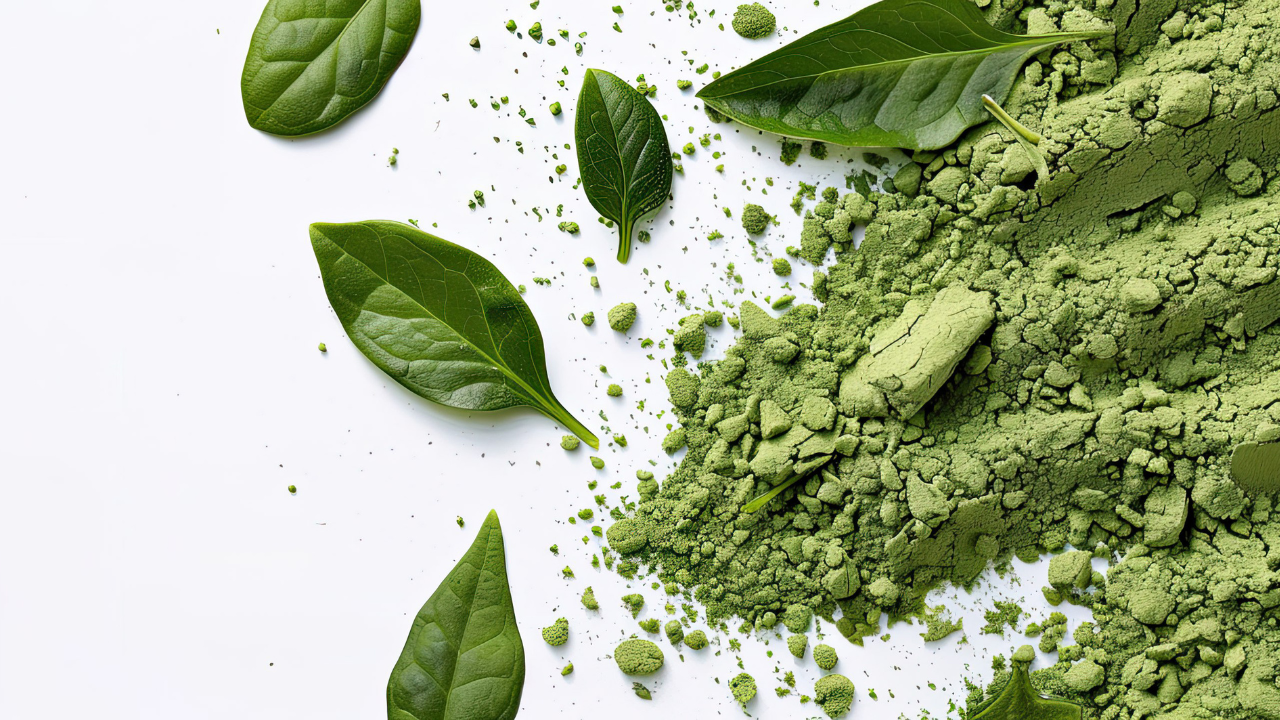
Morning 'all stars' to increase focus = Matcha or green tea
They're perfect if you're looking for 'sharpness' without the caffeine crash.
Matcha offers a gentler kind of energy than coffee. It contains a moderate amount of caffeine, but it’s naturally paired with L-theanine, which helps promote calm, steady focus rather than the jittery feeling many people associate with coffee. Matcha is also rich in green tea antioxidants (especially EGCG), which are known to support heart health, metabolic balance, and the body’s ability to use fat for fuel.
How you prepare it makes a difference. Whisk matcha with warm—not boiling—water, then add a splash of lightly frothed almond or coconut milk for a smoother texture. A little vanilla or cinnamon adds warmth, and a tiny pinch of sea salt can soften bitterness more than you’d expect.
If Matcha feels too intense, Green Tea is the perfect middle ground. It offers a gentler version of this stimulation with high antioxidant activity and is specifically associated with improved vascular function and glucose regulation (7,8,9). Steep Green Tea at 80°C (never boiling) for 2–3 minutes. Add lemon peel or fresh mint to lift the brightness without adding sugar.
Words of caution: Both matcha, and green tea, can slightly reduce iron absorption if taken with meals, and for those sensitive to caffeine, it may still be a bit stimulating—so earlier in the day is usually best.
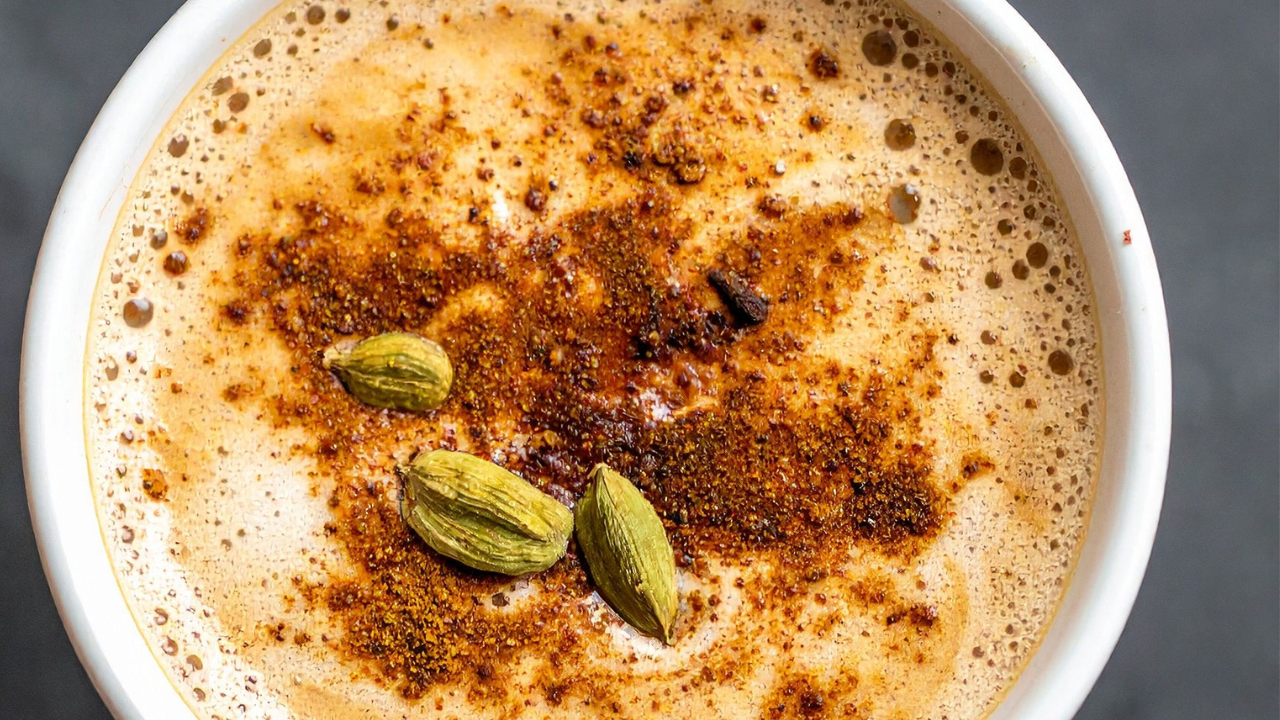
Early afternoon suggestions to support metabolism & circulation...
As the day progresses, shift your focus to "thermogenic" spices and digestive bitters that help avoid the afternoon slump.
Homemade chai tea:
Most commercial chais are usually "dessert drinks" loaded with sugar. But, authentic, homemade chai is a medicinal infusion of cinnamon, ginger, and cardamom—spices associated with improved glucose control and circulation (10,11,12).
-
The Secret: Use real vanilla extract; it provides a "perceived sweetness" that satisfies the palate without a glucose spike.
- Here's a link to my chai latte recipe (FYI - I make it with Rooibos tea so it's decaf too).
Roasted dandelion tea:
Roasted dandelion root has a deep, coffee-like body. It is traditionally used to support bile production and fat digestion while providing mild prebiotic compounds for the gut (13,14,15).
-
Pro Tip: Blend with chicory and cardamom for a fuller, richer flavor profile and/or serve with your favorite unsweetened plant-based milk.
Hibiscus tea:
Hibiscus is a tart, ruby-red infusion associated with modest reductions in systolic blood pressure and improved vascular flexibility (21,22,23). It’s the perfect "refresh" for a mid-afternoon energy dip.
Post-meal rituals to aid digestion include:
Avoid the post-meal "heavy" feeling by choosing drinks that assist the GI tract's natural movement.
Ginger tea:
Ginger is a "prokinetic," meaning it improves gastric emptying. It also supports inflammatory balance and thermogenic circulation—essential for those who feel cold after eating (16,17,18).
Peppermint tea:
Peppermint relaxes gastrointestinal smooth muscle, reducing gas and bloating (19,20). Make it less “blah” by using fresh mint rather than tea bags when possible. Add lime or lemon peel for brightness, ginger for warmth, or a drop of vanilla to soften sharpness. And, serve with a little of your favorite plant-based milk, frothed, to make it feel more like a treat!
-
Caution: Avoid peppermint if you suffer from GERD or reflux, as it can relax the lower esophageal sphincter and worsen symptoms.
The best sips to consider for deep sleep:
As the sun goes down, your mug should signal your nervous system to "downshift" and begin the repair process.
Lemon Verbena:
Lemon verbena is a citrusy powerhouse for the evening. It contains verbascoside, a compound associated with reduced oxidative stress and lower cortisol levels. It is particularly popular for athletes as it may help reduce exercise-induced muscle damage while calming the mind for sleep.
Mushroom teas:
Functional mushrooms offer diverse benefits: Reishi supports sleep and cortisol regulation, while Lion’s Mane supports cognitive nerve health (24,25,26,27).
Rooibos:
Naturally caffeine-free and rich in polyphenols, Rooibos is associated with antioxidant support and lower cortisol levels, making it the ideal "nightcap" (28,29,30).
Turmeric "Golden Milk":
Curcumin (turmeric) is a potent anti-inflammatory that supports vascular function and insulin sensitivity (31,32,33)
-
Bioavailability Hack: Add a pinch of black pepper and a healthy fat (like coconut milk, or use a nut based milk) to ensure your body can actually absorb the curcumin.
- Here's a link to my favorite golden milk recipe
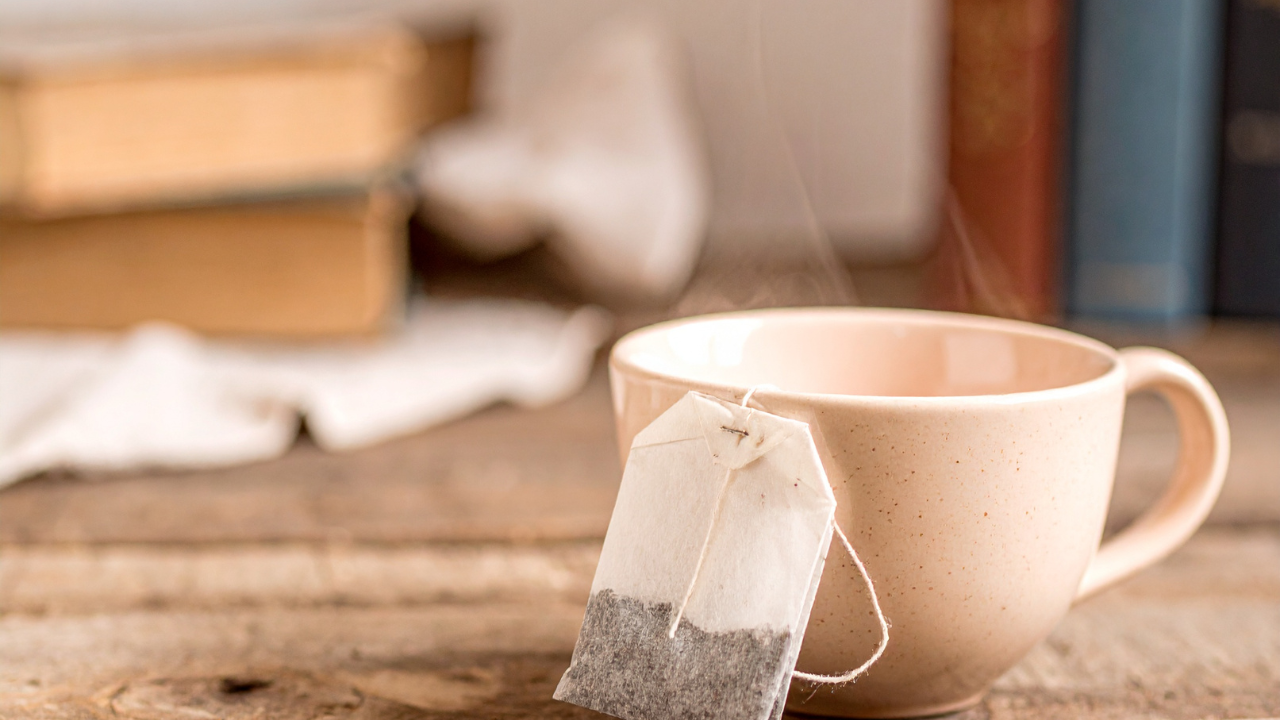 Quick safety audit (watch out for plastics!):
Do tea bags really release microplastics into hot water? Yes, sadly, many modern "silky" tea bags contain polypropylene or PET fibers. When heated, they can release nanoplastic particles (35).
-
The Fix: Use loose-leaf tea in a stainless steel or glass infuser. This also leads to better flavor and higher polyphenol extraction (36).
And, remember to choose your mug/cup carefully too...choose glass, stainless steel, and lead-free ceramic where and when possible. Plastic and low-quality ceramics can leach unwanted compounds when heated (39).
TL;DR: The perfect sip schedule
- Do your utmost to ditch caffeine after 12pm & relish your enhanced sleep quality.
- Morning: Consider Matcha or Green Tea for calm, focused alertness and a metabolic boost.
- Post-Lunch: Try Chai, Dandelion Root or Peppermint to aid digestion & avoid the afternoon slump.
- Afternoon: Check out Hibiscus or Ginger for circulation and vascular health.
-
Evening: Experiment with Lemon Verbena, Chamomile, or Golden Milk to help lower cortisol and prime your brain for sleep.
References:
-
Drake, C., Roehrs, T., Shambroom, J., & Roth, T. (2013). Caffeine effects on sleep taken 0, 3, or 6 hours before going to bed. Journal of Clinical Sleep Medicine.
-
Clark, I., & Landolt, H. P. (2017). Coffee, caffeine, and sleep: A systematic review of epidemiological studies and randomized controlled trials. Sleep Medicine Reviews.
-
Juliano, L. M., & Griffiths, R. R. (2004). A critical review of caffeine withdrawal: Empirical validation of symptoms and signs, incidence, severity, and associated features. Psychopharmacology.
-
Kim, A., et al. (2014). Green tea catechins: Defensive role in cardiovascular diseases. The Journal of Nutritional Biochemistry.
-
Unno, K., et al. (2018). Stress-reducing function of Matcha green tea in animal experiments and clinical trials. Nutrients.
-
Hursel, R., & Westerterp-Plantenga, M. S. (2013). Catechin- and caffeine-rich teas for control of body weight in humans. The American Journal of Clinical Nutrition.
-
Ras, R. T., Zock, P. L., & Draijer, R. (2011). Tea consumption enhances endothelial-dependent vasodilation: A meta-analysis. The American Journal of Clinical Nutrition.
-
Liu, K., et al. (2013). Effect of green tea on glucose control and insulin sensitivity: A meta-analysis of 17 randomized controlled trials. The American Journal of Clinical Nutrition.
-
Einöther, S. J., & Martens, V. E. (2013). Acute effects of tea consumption on attention and mood. Nutrition Reviews.
-
Allen, R. W., et al. (2003). Cinnamon improves glucose and lipids of people with type 2 diabetes. Diabetes Care.
-
Hu, M. L., et al. (2011). Effect of ginger on gastric motility and symptoms of functional dyspepsia. World Journal of Gastroenterology.
-
McKay, D. L., & Blumberg, J. B. (2006). A review of the bioactivity and potential health benefits of peppermint tea. Phytotherapy Research.
-
Clare, B. A., Conroy, R. S., & Spelman, K. (2009). The diuretic effect in human subjects of an extract of Taraxacum officinale folium over a single day. Journal of Ethnopharmacology.
-
Neyrinck, A. M., et al. (2011). Prebiotic effects of wheat arabinoxylan related to the inhibition of adipose tissue inflammation. Food Chemistry.
-
European Medicines Agency (EMA). (2016). Assessment report on Taraxacum officinale Weber ex Wigg., radix cum herba.
-
Wu, K. L., et al. (2008). Effects of ginger on gastric emptying and motility in healthy humans. European Journal of Gastroenterology & Hepatology.
-
Grzanna, R., Lindmark, L., & Frondoza, C. G. (2005). Ginger—an herbal medicinal product with broad anti-inflammatory actions. Journal of Medicinal Food.
-
Ludy, M. J., & Mattes, R. D. (2012). The effects of hedonically acceptable red pepper doses on thermogenesis and appetite. Physiology & Behavior.
-
Cash, B. D., Epstein, M. S., & Shah, S. M. (2016). A novel delivery system of peppermint oil is an effective therapy for irritable bowel syndrome symptoms. Journal of Clinical Gastroenterology.
-
Ford, A. C., et al. (2008). Effect of fibre, antispasmodics, and peppermint oil in the treatment of irritable bowel syndrome: Systematic review and meta-analysis. BMJ.
-
Serban, M. C., et al. (2015). Effects of sour tea (Hibiscus sabdariffa) on blood pressure: A systematic review and meta-analysis of randomized controlled trials. Journal of Hypertension.
-
Hopkins, A. L., et al. (2013). Hibiscus sabdariffa L. in the treatment of hypertension and hyperlipidemia: A comprehensive review of animal and human studies. Nutrition Reviews.
-
Da-Costa-Rocha, I., et al. (2014). Hibiscus sabdariffa L. – A review on its traditional uses, phytochemistry, pharmacology and toxicology. Food Chemistry.
-
Wachtel-Galor, S., Yuen, J., Buswell, J. A., & Benzie, I. F. F. (2011). Ganoderma lucidum (Lingzhi or Reishi): A medicinal mushroom. Herbal Medicine: Biomolecular and Clinical Aspects.
-
Mori, K., et al. (2009). Improving effects of the mushroom Yamabushitake (Lion's Mane) on mild cognitive impairment: A double-blind placebo-controlled clinical trial. Phytotherapy Research.
-
Shashkina, M. Y., et al. (2006). Chemical and biological characteristics of Chaga. Pharmaceutical Chemistry Journal.
-
Chen, S., et al. (2010). Effect of Cordyceps sinensis on exercise performance in healthy older subjects: A double-blind, placebo-controlled trial. The Journal of Alternative and Complementary Medicine.
-
Marnewick, J. L., et al. (2011). Effects of rooibos (Aspalathus linearis) on oxidative stress and biochemical parameters in adults at risk for cardiovascular disease. Journal of Ethnopharmacology.
-
Persson, I. A., et al. (2010). Effects of green tea, black tea and Rooibos tea on angiotensin-converting enzyme and nitric oxide in healthy volunteers. Nutrition & Metabolism.
-
Joubert, E., & de Beer, D. (2011). Rooibos (Aspalathus linearis) beyond the farm gate: From herbal tea to potential phytopharmaceutical. Food Research International.
-
Hewlings, S. J., & Kalman, D. S. (2017). Curcumin: A review of its effects on human health. Foods.
-
Sahebkar, A., et al. (2017). Effects of curcuminoids on systemic inflammation and weight loss in cancer patients. Phytotherapy Research.
-
Panahi, Y., et al. (2017). Antioxidant and anti-inflammatory effects of curcuminoid-piperine combination in subjects with metabolic syndrome. Phytotherapy Research.
-
Dekkers, B. L., et al. (2018). Understanding the structure of frothed plant-based milk alternatives. Food Hydrocolloids.
-
Hernandez, L. M., et al. (2019). Plastic teabags release billions of microparticles and nanoparticles into brewed tea. Environmental Science & Technology.
-
Astill, C., et al. (2001). Factors affecting the caffeine and polyphenol contents of black and green tea infusions. Journal of Agricultural and Food Chemistry.
-
Johnston, C. S., et al. (2002). Vinegar: Medicinal uses and antiglycemic effect. The American Journal of Clinical Nutrition.
-
Ludwig, D. S. (2002). The glycemic index: Physiological mechanisms relating to obesity, diabetes, and cardiovascular disease. JAMA.
-
Muncke, J. (2020). Endocrine disrupting chemicals and food contact materials: An update. International Journal of Environmental Research and Public Health.
